
The traditional engagement is a family ceremony.
The bride and groom are central, but the event formally brings two households together. Parents, elders, representatives, and Alagas all have visible roles.
Yoruba Nigerian Wedding Guide
A detailed guide to the Yoruba introduction and traditional engagement, Alaga Iduro and Alaga Ijoko, Aso Oke, Aso Ebi, Gele, money spraying, white weddings, bridesmaid responsibilities, and thoughtful gifts that support every part of the celebration.
What This Guide Helps You Do
Yoruba weddings bring together family introductions, formal traditional engagement, expressive clothing, skilled ceremony leadership, prayers, gifts, music, dancing, and—often—a separate church, civil, or Western-style wedding.
The first thing she hears is the talking drum.
The room is already full of color. Aso Oke is folded across one chair. Coral-toned beads and earrings are laid out on another. Someone is trying to find the final pin for a Gele that looked secure ten minutes ago. In the next room, relatives are discussing the engagement gifts while the Alaga prepares to lead the ceremony with songs, humor, prayer, and the kind of confidence that can command an entire hall.
The bridesmaids are not simply waiting for the bride’s entrance. One is keeping the Aso Ebi group on schedule. Another is organizing the hand fans and clutches. Someone else is making sure the bride’s second outfit, shoes, jewelry, and phone will reach the changing room before she does.
A friend attending her first Yoruba wedding may be wondering why the groom and his friends prostrate before the bride’s family, why two women appear to guide the event from opposite sides, why matching fabric matters so much, and how the traditional engagement relates to the white wedding scheduled for the following day.
That is the rhythm of many Yoruba weddings: formal and playful, deeply family-centered and highly expressive. The ceremony honors elders, joins households, and makes room for song, praise, negotiation, gifts, prayer, fashion, and celebration.
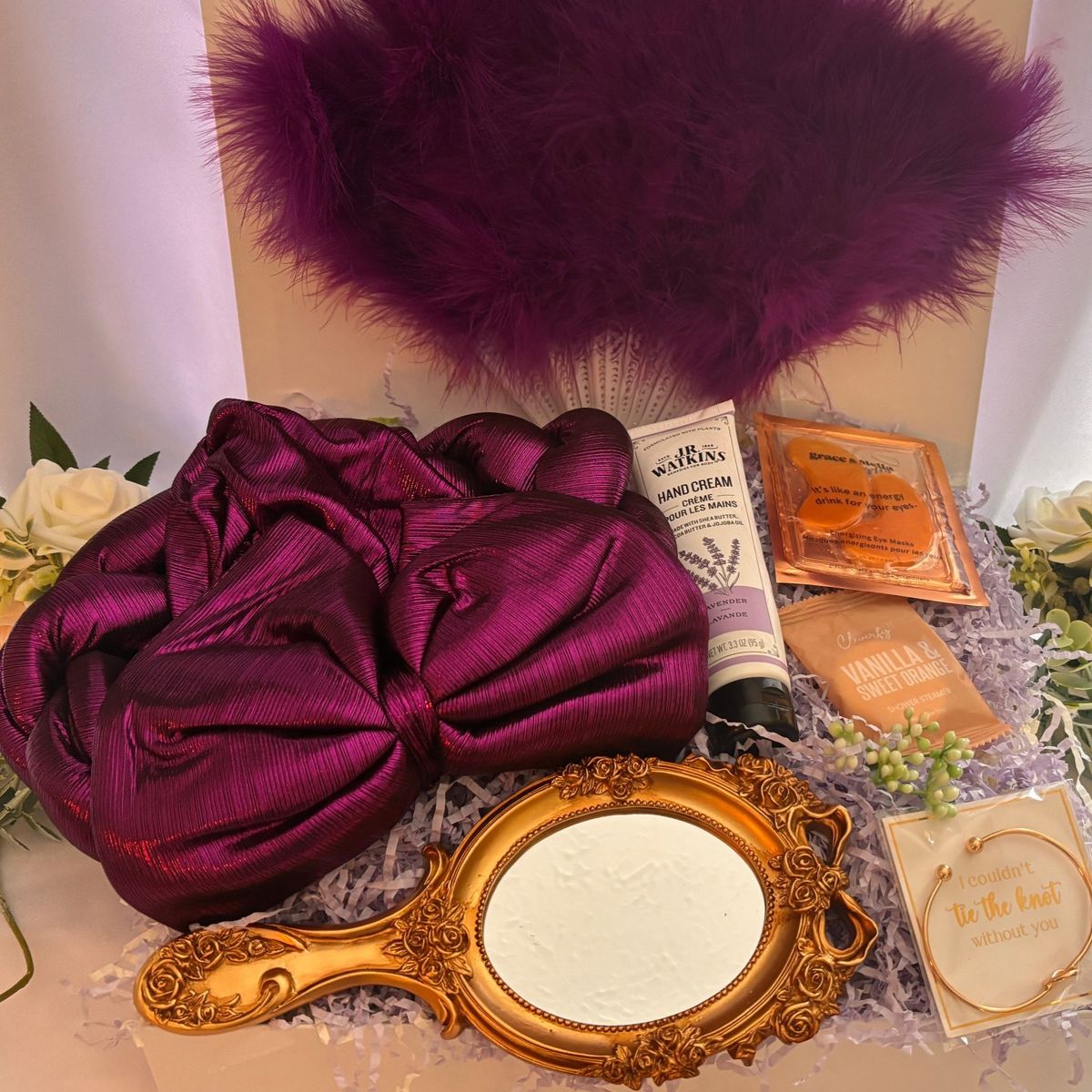
A thoughtful bridesmaid gift should recognize that experience. It should not be a random assortment of products wrapped in African print and described as “Nigerian.” The strongest gifts help with Gele, jewelry, heat, outfit changes, money-spraying logistics, long receptions, or the practical work of moving between a traditional engagement and a church or civil wedding.
Yoruba families also celebrate differently. Christian, Muslim, traditional-religion, and intercultural households may use different prayers, expectations, and event formats. Some couples hold an introduction, traditional engagement, church wedding, and reception on separate days. Others combine traditions into one weekend or one day. Use this guide as a planning framework, and let the couple’s family, Alaga, faith community, and event team define the final sequence.
Start With the Wedding
A Yoruba wedding can ask the bridal party to move through several very different settings. The introduction may be family-centered and relatively intimate. The traditional engagement may be led by professional Alagas, filled with songs, prostration, gift presentation, praise, and repeated entrances. The white wedding may be held in a church, civil venue, garden, or ballroom. The reception may include Aso Ebi groups, several outfit changes, live music, praise singing, and money spraying.
The bride and groom are central, but the event formally brings two households together. Parents, elders, representatives, and Alagas all have visible roles.
Aso Oke, Aso Ebi, Gele, Iro, Buba, Agbada, Fila, beads, fans, and shoes communicate belonging, formality, and visual unity.
The bride and bridal party may change between traditional engagement attire, white-wedding clothing, and reception outfits.
Prostration, kneeling, greetings, prayers, and family presentation are not decorative gestures. Bridesmaids should know when to observe and when they are invited to participate.
At a Glance
Many couples hold an introduction, traditional engagement, white wedding, and reception, though events may be combined.
Alaga Iduro represents the groom’s side; Alaga Ijoko represents the bride’s side in many modern traditional engagements.
Aso Oke is a prestigious Yoruba handwoven cloth used for ceremonial clothing.
Aso Ebi identifies and visually unites relatives, friends, or support groups.
Gele, outfit changes, heat, jewelry, photos, and reception logistics often require more planning than the gift box itself.
Elegant, functional, textile-aware, easy to carry, and personalized for future use.
Tradition, Faith, and Modern Family Life
The Yoruba traditional engagement and the white wedding do not serve exactly the same purpose. The traditional ceremony publicly brings the families together through greetings, requests, gifts, prayers, and culturally recognized acts. A Christian church wedding, Muslim Nikah, civil ceremony, or Western-style vow exchange may provide the couple’s religious or legal solemnization.
| Wedding Layer | What It May Include | Planning Guidance |
|---|---|---|
| Family Introduction | Formal meeting, marriage request, family recognition, preliminary discussions, gifts or hospitality | Do not treat it as merely a rehearsal dinner; it may carry substantial family meaning. |
| Traditional Engagement | Alagas, groom’s entrance, prostration, bride’s entrance, gift presentation, prayers, family acceptance | Follow the family’s agreed list and the Alagas’ sequence. |
| Christian White Wedding | Church service, vows, Scripture, rings, blessing, choir, legal signing | Church requirements differ by denomination. |
| Muslim Nikah | Consent, Mahr, witnesses, contract, prayer, family gathering | Confirm requirements with the imam and mosque. |
| Civil Ceremony | Legal vows, witnesses, marriage license, officiant | State and county rules determine legal validity. |
| Reception | Entrances, speeches, dancing, Aso Ebi, outfit changes, food, money spraying | Venue rules may affect music, cash, timing, and cleanup. |
The Wedding Journey
Families may combine, rename, or omit parts of this sequence. The Alagas and elders should confirm the final program.
The families meet formally, recognize the relationship, and discuss the path toward marriage. The groom’s family may present itself and request the bride’s hand according to family custom.
Bridesmaids are usually not central, though a close friend may help the bride prepare or manage photographs.
The families confirm date, venue, guest count, Aso Ebi, engagement-gift list, Alagas, food, music, prayer format, and ceremony flow.
This stage should happen before bridesmaid products are ordered because colors and roles may still change.
Families and friendship groups select coordinated fabric or color. Participants arrange tailoring, Gele, shoes, beads, and delivery.
Bridesmaids need realistic deadlines because imported fabric, custom sewing, and alterations can take months.
The groom’s relatives arrive and formally seek entry or recognition. The Alaga Iduro leads their presentation and may use praise, song, humor, and symbolic requests.
Bridesmaids should keep aisles clear and avoid assuming the repeated greetings are delays.
The groom may enter with friends, dance, greet the gathering, and prostrate before the bride’s parents and elders as an expression of respect.
His friends may prostrate with him. This belongs to the groom’s party, not the bridesmaids.
The bride’s family receives the groom, offers prayers, asks questions, or formally acknowledges him.
The sequence varies. The Alaga Ijoko and family elders guide the moment.
The bride enters with friends or female relatives, often dancing and greeting both families. She may kneel before her parents and elders for prayer and blessing.
Bridesmaids may accompany her, manage the train or wrapper, carry fans, or form the entrance group.
In some modern ceremonies, the bride may be asked to identify or choose her groom playfully from among his friends or family.
Treat this as a family-specific performance rather than a universal ancient requirement.
The groom’s family presents the bride’s gifts according to the list agreed by both households. Items may include clothing, jewelry, foods, drinks, household goods, symbolic items, or money.
The contents vary substantially. Never publish a universal mandatory list.
Parents and elders pray for the couple, offer advice, and publicly affirm the union.
Christian, Muslim, and traditional-religion families may use different language and prayer forms.
The traditional ceremony moves into food, music, dancing, photographs, praise singing, and money spraying.
Bridesmaids need a secure plan for cash collection, outfit care, and personal belongings.
Many couples hold a church, Muslim, civil, or Western-style ceremony on another day or later in the same weekend.
The bridal party may need a completely separate outfit, schedule, and set of responsibilities.
The couple may change into additional Yoruba, Nigerian, or evening looks during the reception.
Label every garment, jewelry set, shoe, and accessory by event and order of use.
The Women Who Guide the Room
Many modern Yoruba traditional engagements are guided by two skilled female masters of ceremony. The Alaga Iduro represents the groom’s family, while the Alaga Ijoko represents the bride’s family. Their work combines protocol, praise poetry, singing, prayer, humor, negotiation, crowd management, and cultural knowledge.
The Alaga Iduro leads the groom’s side. She presents the groom’s family, responds to requests from the bride’s representatives, guides the groom’s entrance, and helps his family complete the expected greetings and ceremonial steps.
The Alaga Ijoko receives and represents the bride’s side. She guides the household’s responses, introduces the bride, asks questions, directs family recognition, and helps move the engagement toward acceptance and blessing.
An experienced Alaga is not simply an entertainer. She controls the ceremony’s timing and meaning. Bridesmaids should not interrupt her instructions, move participants for photographs, or improvise entrances without coordinating with her.
Clothing as Belonging
Aso Ebi means “family cloth” in Yoruba. It refers to coordinated fabric or attire worn by relatives, friends, social groups, or supporters at important celebrations. Although it originated in Yoruba culture, the practice is now widespread across Nigerian weddings.
Aso Ebi does more than make photographs look coordinated. It identifies connection. It tells the room, “We belong to this family,” “We are standing with the bride,” or “We came together to support this household.”
Tell bridesmaids the full expected cost: fabric, shipping, tailor, lining, Gele, shoes, jewelry, and alterations.
Distribute fabric early enough for international shipping, tailoring, fitting, and corrections. U.S. bridesmaids may need more lead time than relatives in Lagos.
Offer a lower-cost coordinated color option for friends who cannot manage custom fabric and tailoring.
Aso Ebi describes coordinated group attire. Aso Oke is a specific Yoruba handwoven textile. One can be used for the other, but the terms are not synonyms.
Yoruba Textile and Dress
Aso Oke is a prestigious handwoven Yoruba cloth historically created in narrow strips and assembled into garments. Museum collections document its use for important ceremonial and celebratory clothing. Modern wedding Aso Oke may incorporate silk, cotton, metallic threads, openwork, beading, embroidery, and contemporary color.
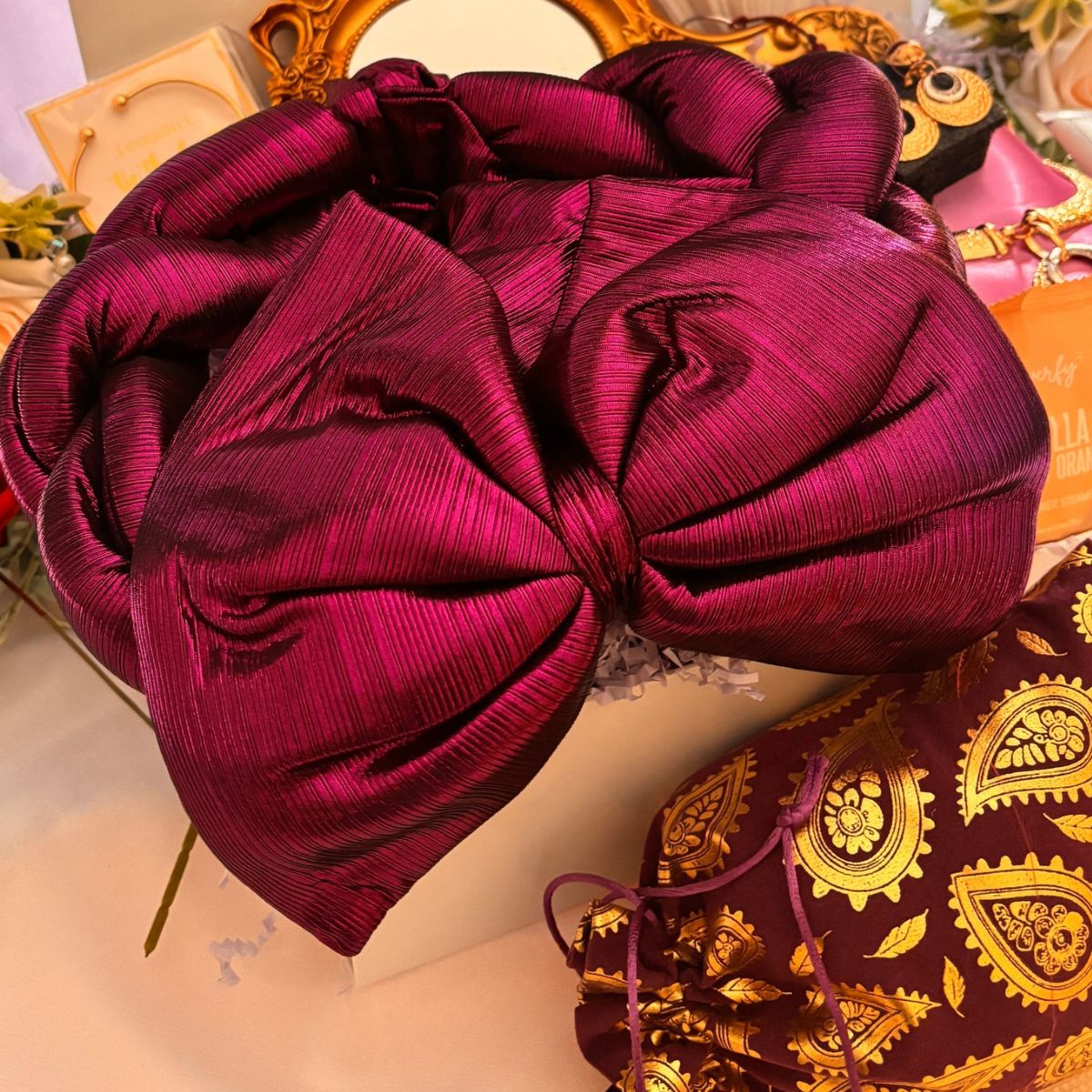
Gele is the structured head tie worn by many Yoruba women at formal occasions. It can complete the bridal look, identify an Aso Ebi group, and create visual balance with Iro and Buba. A beautifully tied Gele can also become uncomfortable if it is too tight, too heavy, or worn for too many hours.
Iro is the wrapper, while Buba is the blouse. The combination may be made from Aso Oke, lace, Ankara, or other textiles. Modern silhouettes can be highly tailored, but bridesmaids still need enough room to sit, kneel if invited, dance, and move through crowded venues.
Agbada is the flowing formal robe worn by men, often over an inner outfit. Fila is the cap. The groom and his friends may wear coordinated Agbada and Fila during the traditional engagement.
Coral-colored beads, gold jewelry, hand fans, clutches, shoes, and statement earrings often complete the look. These details should support the chosen textile rather than compete with it.
| Element | Meaning or Function | Bridesmaid Planning Note |
|---|---|---|
| Aso Oke | Prestigious Yoruba ceremonial cloth | Describe genuine handwoven, machine-woven, and Aso Oke-inspired products accurately. |
| Aso Ebi | Coordinated attire showing group support | Plan budget, tailoring, distribution, and backup color options. |
| Gele | Formal head tie and visual statement | Book experienced tiers, schedule enough time, and provide pain-relief alternatives. |
| Iro and Buba | Wrapper and blouse ensemble | Test sitting, dancing, kneeling, and secure fastening. |
| Agbada and Fila | Formal menswear | Keep groom’s-party accessories labeled by person. |
| Hand Fan | Practical cooling and visual accessory | Choose a durable fan sized for actual use, not only photography. |
Celebration, Support, and Venue Logistics
Money spraying is the practice of placing or releasing cash near the couple or celebrant while they dance. It expresses celebration, support, praise, and goodwill. The practice is strongly associated with Yoruba social celebrations and is now common across many Nigerian communities and the diaspora.
In the United States, the practical issue is usually the venue rather than a universal prohibition. Ballrooms may restrict loose cash because it creates slip hazards, slows cleanup, interferes with staff, or conflicts with security procedures. Couples should ask for written approval before printing money-spraying instructions.
Nigeria has also increased enforcement against spraying or mishandling naira notes under its currency laws. That legal issue concerns Nigerian currency and events under Nigerian jurisdiction; it should not be copied blindly into U.S. planning advice. Couples traveling to Nigeria should check current local guidance.
Assign two trusted people with secure bags. They should collect, count later in private, and never leave the bags near the dance floor.
Use a blessing envelope, designated presentation tray, card box, digital gift code, or supervised money dance approved by the venue.
Create a clear spray zone, use attendants to collect continuously, and ask the DJ or MC to explain the process briefly.
The Work Behind the Celebration
From Ceremony to Solution
| Event | What Bridesmaids May Do | Common Problem | Useful Gift or Preparation |
|---|---|---|---|
| Introduction | Support the bride, photographs, hospitality | Personal items become scattered | Personalized wristlet or structured pouch |
| Aso Ebi Preparation | Tailoring, fittings, group coordination | Late fabric and sizing errors | Measurement card, garment checklist, luggage tag |
| Gele Morning | Hair prep, timing, jewelry organization | Tight head tie, headache, misplaced earrings | Compact mirror, pain-relief plan, jewelry case |
| Traditional Engagement | Entrance, fans, movement, photos | Heat, heavy attire, loose wrapper | Hand fan, pins, blotting sheets, secure flats |
| Outfit Change | Garment and accessory management | Pieces become mixed or damaged | Labeled organizer and garment bags |
| Money Spraying | Cash collection if assigned | Security, slipping, lost money | Secure collection bags and venue-approved process |
| White Wedding | Processional, bouquet, veil, emotional support | Second set of items becomes mixed | Separate church-day emergency kit |
| Reception | Dancing, photos, guest support | Foot pain, heat, dead phone | Flats, fan, charger, compact, hydration |
The MarryCrate Framework
Fewer, Better Gifts
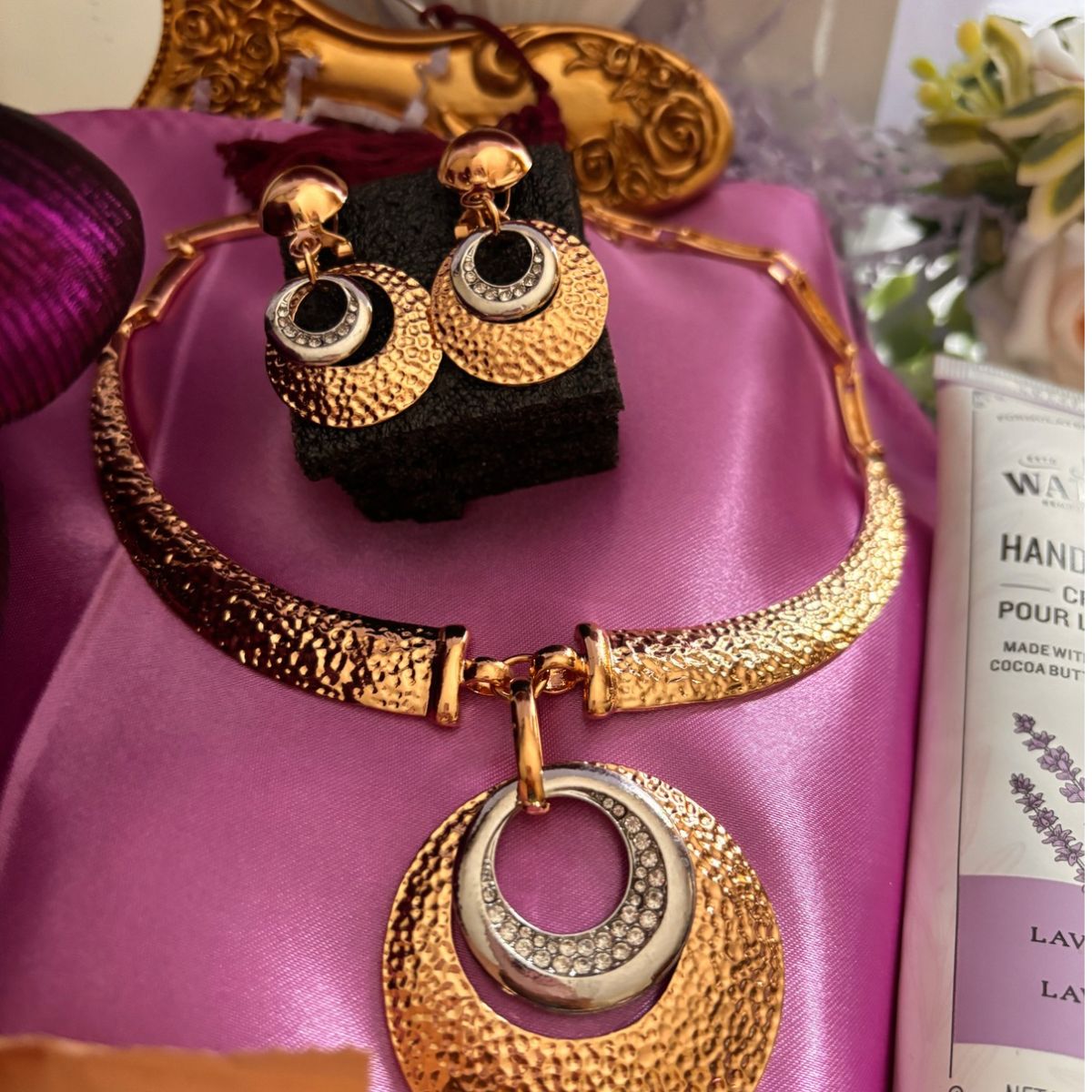
Traditional engagement, white wedding, and reception looks can create several jewelry sets.
Choose compartments for statement earrings, necklaces, rings, beads, pins, and small accessories.
Heavy formal clothing, crowded venues, and dancing can become uncomfortable.
Choose a durable fan that coordinates with the outfit and can actually cool the recipient.
A phone, lip product, tissues, and room key need a secure place.
Use genuine Aso Oke only when sourced and described accurately; otherwise label the product inspired.
Head ties, wrappers, beading, and fitted clothing may need quick adjustments.
Include safety pins, fashion tape, hair pins, blotting sheets, bandages, tissues, and a small sewing kit.
Heels can become painful during entrances, prostration viewing, photographs, and dancing.
Choose a tested pair with a secure sole and a personalized storage pouch.
Large earrings can become painful when paired with a firm Gele.
Choose a lighter style that still balances the head tie and formal outfit.
The dressing room mirror is often occupied by the bride, Gele stylist, or makeup artist.
A compact helps with lipstick, earrings, Gele edges, and quick checks between entrances.
Bridesmaids may spend hours in tailoring, preparation, photographs, and dancing.
Choose a reusable design that supports hydration without looking like temporary wedding merchandise.
Friends unfamiliar with Yoruba weddings may not understand the Alagas, prostration, Aso Ebi, or gift presentation.
Create a concise card explaining the flow, expected behavior, and assigned bridesmaid role.
Matching textiles and beautiful packaging can still feel impersonal.
Name a shared memory and explain why the recipient was chosen to stand beside the bride.
Signature Box Concepts
Plan Before the Wedding Week
Confirm whether the wedding includes an introduction, traditional engagement, white wedding, and separate reception. Select Alagas and begin venue discussions.
Finalize Aso Ebi direction, collect measurements, discuss total costs, and place textile or tailoring orders.
Confirm Gele stylist, bridesmaid accessories, outfit-change plan, white-wedding attire, and MarryCrate personalization.
Share the full ceremony sequence, Alaga instructions, entrance groups, money-spraying plan, and photo schedule.
Label outfits, jewelry, shoes, fans, garment bags, collection bags, emergency kits, and hotel-room assignments.
Confirm call times, Gele schedule, hydration, venue cash rules, secure storage, transport, and the person responsible for each outfit.
What to Avoid
Use Yoruba-specific terminology only for Yoruba families.
The Alaga leads cultural protocol and should shape the ceremony timeline.
Aso Ebi is coordinated group attire; Aso Oke is a Yoruba textile.
Fabric is only one expense; include tailoring, Gele, lining, jewelry, shipping, and alterations.
Balance visual impact with actual comfort.
Confirm venue, safety, cleanup, and collection rules in writing.
Offer a coordinated color or lower-cost participation option.
Yoruba products should be textile-accurate and purpose-led, not stereotyped.
Save and Share
Frequently Asked Questions
A Western-style bridal party is not required for the traditional engagement, but many Yoruba-American couples include bridesmaids in the bride’s entrance, Aso Ebi group, white wedding, and reception.
It is a formal meeting of the families in which the relationship and marriage intention are recognized. The scale and sequence vary.
English-language wedding planning commonly calls it the Yoruba traditional engagement. Some families also use terms such as engagement or Ìdána, though terminology varies.
The Alaga Iduro is the ceremony leader representing the groom’s family.
The Alaga Ijoko is the ceremony leader representing the bride’s family.
The groom’s prostration expresses respect to the bride’s family and elders. His friends may join him.
Aso Ebi means family cloth and refers to coordinated attire worn by relatives, friends, or support groups.
Aso Oke is a prestigious Yoruba handwoven textile used for ceremonial clothing such as wrappers, head ties, caps, and robes.
No. Aso Ebi describes coordinated group clothing. Aso Oke is a specific textile that may be used as Aso Ebi.
No universal rule requires it, but the bride may choose coordinated Gele for the traditional engagement.
No. It is a voluntary celebratory gift tradition. Venue restrictions or personal preferences may lead couples to use alternatives.
Yes. A short ceremony guide and clear role assignment can help her participate respectfully.
Many have a traditional engagement and a separate church, Muslim, civil, or Western-style wedding, but some combine events.
Give useful products before tailoring travel or the wedding weekend so bridesmaids can test and pack them.
There is no fixed amount. Consider the expense bridesmaids already carry for Aso Ebi, tailoring, Gele, travel, and multiple events.
A fan, jewelry organizer, emergency kit, wristlet, flats, or engagement guide is likely to be used during the wedding.
Often it is the handwritten letter because it explains why the person was chosen and what her friendship means.
The Gift Is the Gratitude
A Yoruba wedding can fill a room with color, praise, laughter, prayer, music, and family presence. The women standing beside the bride may be coordinating Aso Ebi, helping with Gele, carrying fans, organizing jewelry, watching the Alaga, managing outfit changes, and making sure the bride has a quiet moment before another entrance begins.
Your gift does not need to compete with the beauty of the cloth or the scale of the celebration. It only needs to show that you noticed.
A hand fan can say, “I thought about how long you will be standing beside me.” A jewelry organizer can say, “I thought about everything you are carrying.” A ceremony guide can say, “I want you to feel welcomed into my family’s traditions.” A handwritten letter can say what the whole box is meant to express: “Your friendship mattered long before this wedding, and I am grateful you are here for this moment.”
Yoruba wedding traditions differ by town, lineage, family, religion, country of residence, and individual preference. This guide reflects commonly documented practices and Nigerian-American adaptations, but it does not claim that every family uses the same gift list, Alaga sequence, prayer form, clothing, or event structure. Confirm the final ceremony with the couple’s families, Alagas, faith leaders, and event professionals.