
The auspicious time shapes the morning.
Hair, makeup, travel, family blessings, and photographs must be planned backward from the Muhurtham.
Malayali Hindu Wedding Guide
A detailed guide to Kerala Hindu wedding traditions, temple and auditorium etiquette, Thalikettu, Pudava Kodukkal, practical bridesmaid responsibilities, thoughtful gifting, and the details that help a Malayali wedding feel calm, elegant, and deeply personal.
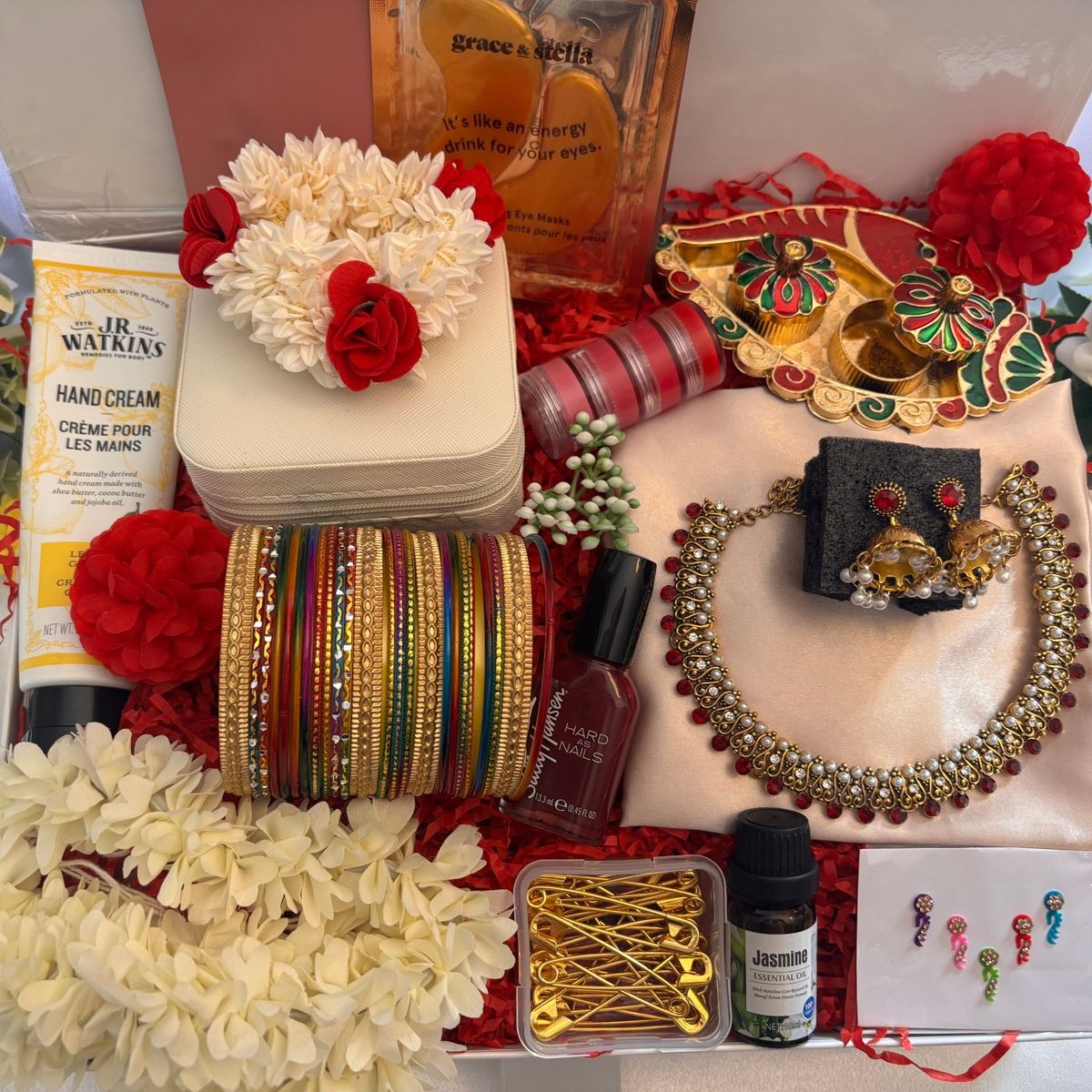
What This Guide Helps You Do
Malayali Hindu weddings are often known for their visual simplicity, but the day still depends on careful timing, family roles, temple or venue rules, silk and gold, floral preparation, and several meaningful transitions.
The bridesmaids may not be rehearsing a dance or preparing for a long sequence of pre-wedding events. Their work is more understated. One is watching the time. Another is protecting the saree from makeup and coffee. A friend who has never attended a Kerala Hindu wedding is asking whether shoes must be removed, when she should enter the temple, and whether Pudava Kodukkal happens before or after the Thaali is tied.
This is part of the beauty of many Malayali Hindu weddings. The ceremony may be concise, but it is not casual. Family roles are important. The auspicious time matters. Temple rules matter. The bride may need to move quickly from family prayers to the wedding venue, from a ceremonial saree to a reception look, and from a crowded stage into photographs and the wedding feast.
A thoughtful bridesmaid gift should recognize that experience. It should not be a random assortment of cream-and-gold products selected because they look “Kerala.” The strongest gifts help organize jewelry, protect silk, support an early temple arrival, manage heat and humidity, or become a keepsake connected to the friendship.
Malayali Hindu weddings vary across Nair, Namboothiri, Ezhava, Menon, Thiyya, Vishwakarma, and other communities, as well as by region, temple, priest, and family. Some ceremonies are short and centered on Thalikettu and Pudava Kodukkal. Others include Ganapathi Puja, Kanyadaanam, Panigrahanam, Saptapadi, or additional Vedic rites. Use this guide as a planning framework, and let your family and officiant define the final wedding.
Start With the Wedding
Many Kerala Hindu weddings appear visually restrained compared with larger multi-day celebrations elsewhere in India. That simplicity can be misleading. The bride may still be managing several sarees, extensive gold jewelry, jasmine, family blessings, an exact Muhurtham, temple restrictions, stage photographs, and a quick transition into a reception or sadya.
Hair, makeup, travel, family blessings, and photographs must be planned backward from the Muhurtham.
Necklaces, bangles, earrings, waist belts, hair ornaments, sarees, and reception pieces need secure, labeled storage.
Shoes, photography, flowers, clothing, leather items, and guest access may be governed by the temple rather than the couple.
Parents, maternal relatives, elders, married women, or siblings may have assigned roles that should not be replaced by bridesmaids.
At a Glance
Respect the Differences
The table below is a planning overview, not a fixed classification. Families often adapt rituals, combine traditions, or simplify the ceremony for a U.S. venue.
| Community or Setting | Common Emphasis | Rituals That May Appear | Planning Note |
|---|---|---|---|
| Nair and related family traditions | Concise ceremony, family blessings, Thaali, saree presentation | Nischayam, Dakshina Kodukkal, groom’s welcome, Thalikettu, Pudava Kodukkal, garland exchange, elder blessings | Sequence varies widely by family and priest; do not assume a full North Indian-style fire ceremony. |
| Namboothiri or Vedic Brahmin traditions | More extensive Vedic rites and priest-led ritual structure | Ganapathi Puja, Kanyadaanam, Panigrahanam, Agni, Saptapadi, homam, blessings | Bridesmaids should receive a clear ceremony guide and know where they may sit or stand. |
| Ezhava, Thiyya, and other community traditions | Thaali, saree presentation, family blessings, regional custom | Nischayam, wedding-day blessings, Thalikettu, Pudava Kodukkal, garlands, reception | Terminology and assigned family roles may differ; confirm with elders. |
| Temple wedding | Sacred setting, short schedule, strict venue rules | Ganapathi prayers, Thalikettu, garlands, offerings, blessings | Shoe removal, photography, flowers, dress, timing, and guest access may be restricted. |
| Auditorium or hotel wedding | Adapted ritual sequence with larger guest experience | Traditional rites on a stage or Mandap, followed by photographs and meal | The venue may permit more elaborate décor, but the ceremony should still follow the family’s priest-approved order. |
The Wedding Journey
Not every family includes every event below. Confirm the exact order with the parents, priest, and venue.
Nischayam is the formal engagement or confirmation of the marriage. Families may exchange gifts, announce the wedding date, and receive blessings from elders. Some families also confirm the Muhurtham after consulting a priest or astrologer.
Bridesmaids may help organize jewelry, gifts, photographs, or a smaller proposal gathering around the engagement.
The auspicious date and time influence the entire schedule. A temple may offer only a short time window, while a U.S. venue may require the family to adapt the sequence without losing the central ritual.
Bridesmaids should receive the actual call time early enough to arrange travel, sleep, hair, makeup, and food.
On the wedding morning, the bride and groom may seek blessings from parents and elders before leaving home. In some Nair families this is described as Dakshina Kodukkal.
Bridesmaids should keep the room quiet, protect the departure time, and collect belongings without interrupting the family moment.
The groom and his family are welcomed at the temple, auditorium, or wedding hall. Aarti, flowers, lamps, or traditional music may be included depending on the family.
Bridesmaids may help guide guests or remain with the bride. Do not assume they belong in the welcoming ritual unless assigned.
Some ceremonies begin by invoking Lord Ganesha and seeking the removal of obstacles. The priest may also perform other prayers based on the family’s tradition.
Phones should be silent and movement near the ceremonial area should be minimal.
The bride may enter with parents, siblings, maternal relatives, or women carrying lamps and ceremonial trays. The format varies.
Bridesmaids should know whether they are part of the entrance or should already be seated before the bride arrives.
The couple exchanges garlands as a public gesture of acceptance. In some weddings this occurs before Thalikettu; in others it appears later or is omitted.
Bridesmaids may help carry or adjust the garlands only when assigned.
Some Malayali Hindu families include Kanyadaanam or an adapted parental blessing in which the bride’s parents participate in joining the couple. Other families do not use this ritual.
This is an emotional family moment, not a bridesmaid photo cue.
The groom ties the Thaali around the bride’s neck at the auspicious moment. Traditional music, flowers, rice, or blessings may accompany the ritual.
Because this is the central moment in many Malayali Hindu weddings, the Thaali, thread or chain, priestly items, and all participants should be ready before the Muhurtham.
The groom presents the bride with a saree or cloth, commonly understood as a gesture of commitment, partnership, and welcoming her into a shared household. The wording and symbolism vary by family.
The saree should be folded for ceremonial presentation and easy handling, not only for display.
In families following a fuller Vedic ceremony, the groom may formally take the bride’s hand and the couple may take sacred steps or complete rites around Agni.
These practices are not universal across Malayali Hindu weddings. The priest’s explanation should guide the program.
Relatives and guests may bless the couple with rice, flowers, or direct blessings. The couple may touch the feet of elders or receive gifts and words of advice.
Bridesmaids can help keep personal items together while allowing relatives space to approach.
Depending on the location, registration may be completed separately from the religious ceremony. Temple receipts, marriage certificates, witnesses, and identification may need to be handled at another time.
Bridesmaids should not be assumed to be legal witnesses unless arranged beforehand.
After a concise ceremony, the longest part of the morning may become the receiving line and family photographs. Gold jewelry, flowers, and saree pleats must remain comfortable through repeated greetings.
A printed photo list and a designated family caller can save significant time.
Many weddings include a vegetarian Kerala sadya served on banana leaves, though modern menus may also include buffet, regional, or mixed cuisine.
Bridesmaids should know whether they will sit with the couple, help elderly relatives, or transition immediately into photographs or a reception.
The reception may include a second outfit, formal entrance, cake, speeches, music, dance, and dinner. Some families keep the reception simple; others create a full modern evening event.
Bridesmaids may help with the saree or gown change, jewelry, footwear, entrance order, and personal belongings.
Two Important Wedding Moments
The Thaali is the marriage pendant tied by the groom at the auspicious moment. Its shape and chain may differ by community and family. Bridesmaids should avoid describing one design as the universal “Kerala Thaali.”
The most important practical step is assigning one responsible person to the Thaali before the ceremony. It should be checked, placed where the priest expects it, and protected from becoming mixed with reception jewelry.
Pudava Kodukkal refers to the presentation of a saree or cloth by the groom to the bride in many Kerala Hindu traditions. It is often connected with the new household, marital partnership, and the groom’s responsibility toward the bride, though families may explain it differently.
The Pudava may be a kasavu saree, silk saree, or another ceremonial saree. Do not assume cream and gold. The family should confirm the exact garment, how it is presented, and whether the bride changes into it immediately.
The Problem
The Better Plan
Keep it in a separate labeled case and assign one person to deliver it to the priest or family elder.
The Problem
The Better Plan
Ask the priest or family how it should be presented and folded. Make it easy to open without disturbing the ceremony.
The Problem
The Better Plan
Use the explanation approved by the couple’s parents and officiant. Family interpretation matters.
The Quiet Work Behind the Saree
The Wedding-Morning Reality
The Problem
The Better Plan
Arrive fully dressed unless the temple provides an approved preparation area. Complete nonessential photographs elsewhere.
The Problem
The Better Plan
Ask the temple directly. Share the rules with every bridesmaid, vendor, and photographer before the wedding.
The Problem
The Better Plan
Confirm local pickup or delivery, storage instructions, and attachment timing with the florist or hairstylist.
The Problem
The Better Plan
Use a compartmentalized organizer and photograph every jewelry set before packing.
The Problem
The Better Plan
Use breathable clothing, a compact touch-up kit, blotting sheets, hair pins, and a realistic plan for outdoor photographs.
Sacred Space, Clear Guidance
Some temples restrict access by faith, dress, or area of the temple. Never assume every guest can enter every space.
Choose footwear that is easy to remove and identify. Keep expensive shoes in a labeled bag if permitted.
Temple rules may require covered shoulders, longer hems, or traditional clothing. Confirm before ordering bridesmaid outfits.
Flash, video, aisle movement, and photography of deities or inner sanctums may be restricted.
Do not place bags, phones, flowers, or loose fabric in the ceremonial area.
Bridesmaids should not imitate gestures or enter rituals unless invited and instructed.
Kerala Elegance With Accuracy
Kasavu refers to Kerala’s traditional cream or off-white textile with a gold border. Kerala Tourism describes the handwoven fabric as a long-established symbol of the state’s cultural heritage. Bridesmaids can wear kasavu sarees, set mundu-inspired styling, or accessories with kasavu details, but machine-made and printed products should not be marketed as handwoven kasavu.
Many brides choose Kanchipuram, Banarasi, tissue, brocade, or contemporary silk rather than cream-and-gold kasavu. The bridesmaid palette should be built around the bride’s actual sarees, not a generic Kerala mood board.
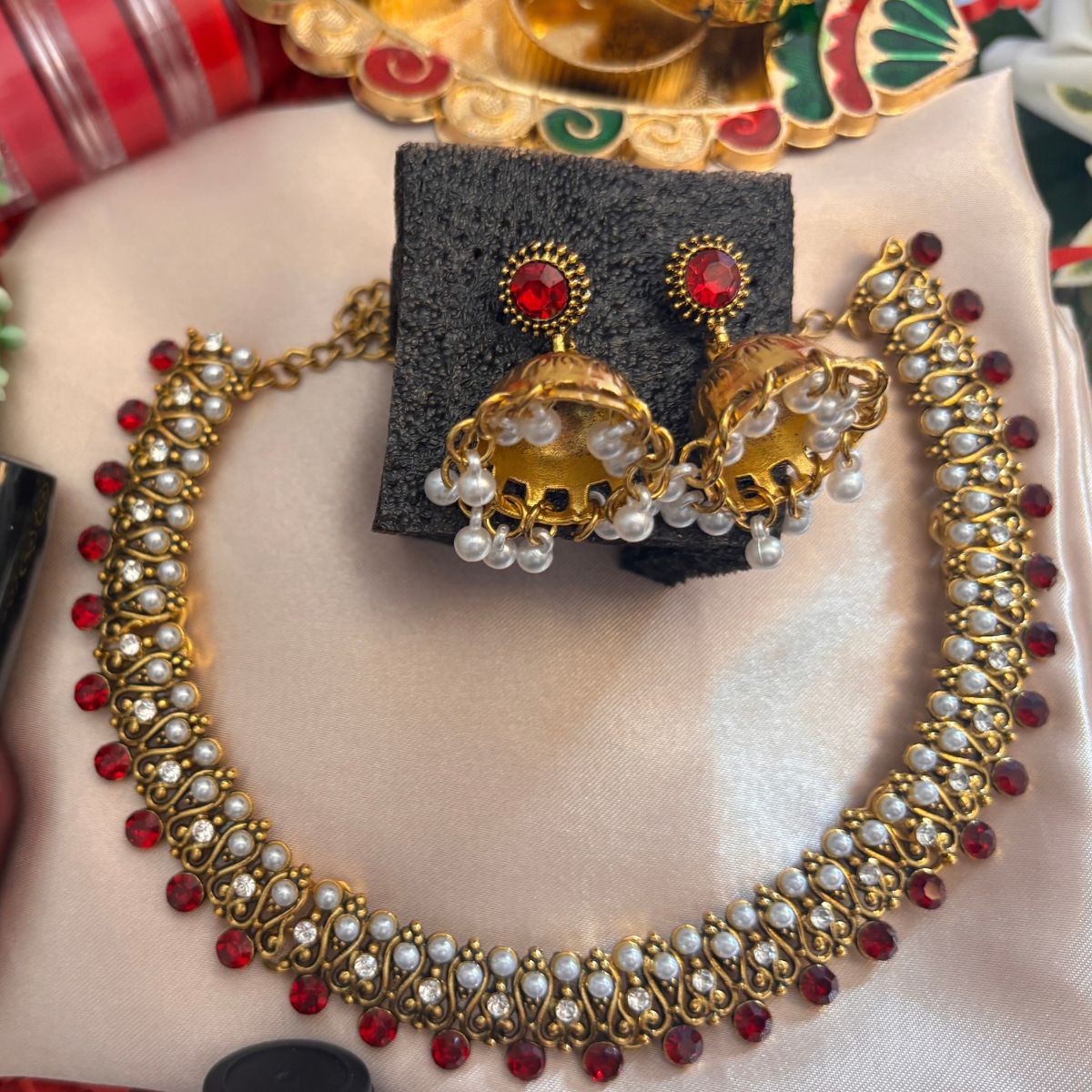
Gold jewelry is visually important in many Kerala weddings, but bridesmaids do not need to imitate the bride’s layered bridal sets. Lightweight jhumkas, pearl-and-gold earrings, simple bangles, or a small chain often create a more comfortable and balanced look.
Fresh jasmine can bring fragrance and a strong Kerala visual connection. It also requires delivery, storage, allergy, and hairstyle planning. A reusable jasmine-inspired accessory may be more practical for bridesmaids traveling from another state.
| Wedding Moment | Palette Direction | Fabric or Detail | Practical Consideration |
|---|---|---|---|
| Nischayam | Rose, emerald, navy, maroon, gold | Silk, tissue, refined embroidery | Choose polished clothing that photographs well with family. |
| Temple Ceremony | Ivory, cream, green, maroon, mustard, gold | Kasavu, silk, cotton-silk, modest sarees | Confirm temple dress rules and shoe removal. |
| Auditorium Wedding | Jewel tones, pastels, cream, antique gold | Kanchipuram, tissue, organza, brocade | Plan for long stage photographs and indoor lighting. |
| Reception | Wine, navy, emerald, black, champagne, copper | Contemporary silk, beadwork, satin, velvet accents | Coordinate with the bride’s second look and stage décor. |
From Ceremony to Solution
| Wedding Moment | What Bridesmaids May Do | Common Problem | Useful Gift or Preparation |
|---|---|---|---|
| Nischayam | Organize gifts, jewelry, photographs | Small valuables are misplaced | Personalized jewelry organizer |
| Family Blessing | Help with departure and belongings | Emotional delays and forgotten bags | Departure checklist and assigned tote |
| Temple Arrival | Guide guests and manage timing | Unclear shoe and entry rules | Temple etiquette card |
| Thalikettu | Remain ready near the ceremony | Thaali is not where the priest expects it | Labeled ceremonial-item case |
| Pudava Kodukkal | Assist only when assigned | Saree is difficult to open or manage | Correct folding and garment bag |
| Stage Photographs | Gather family and adjust saree | Foot pain, heat, jewelry discomfort | Flats, hand fan, water, light earrings |
| Sadya | Help elderly relatives or transition | Bridal party does not know seating plan | Clear meal and photo schedule |
| Reception | Outfit change, entrance, speeches, dancing | Mixed jewelry, dead phones, tired feet | Travel case, charger, compact, flats |
The MarryCrate Framework
Fewer, Better Gifts
Multiple gold pieces, hair accessories, and reception jewelry can become mixed together.
Choose a structured case with compartments large enough for Indian jewelry and a separate space for earring backs, pins, and chains.
Formal sandals or heels become painful during stage photographs and the reception.
Gold, champagne, tan, or black flats can work with sarees and reception outfits when the fit is tested beforehand.
The wedding feels generic when every accessory is bought without regional context.
Use cream-and-gold detail selectively. Describe handwoven, machine-made, blended, and inspired products accurately.
Hair, bindi, jewelry, or makeup needs checking while the bridal-room mirror is occupied.
A gold-tone, pearl, or ivory compact feels elegant without becoming overly decorative.
Heavy jewelry becomes uncomfortable in heat, humidity, and long photographs.
Select pieces that coordinate with the saree without imitating the bride’s bridal set.
A temple morning can involve shoe removal, humidity, and limited access to personal items.
Include safety pins, hair pins, tissues, blotting sheets, bandages, mints, stain wipe, and a small comb.
Fresh jasmine may not survive interstate travel.
Use fresh mullappoo when logistics allow or a quality reusable version when bridesmaids are traveling.
Heat and long photographs make hydration easy to forget.
Choose a design the bridesmaid will use after the wedding rather than covering it with temporary wedding-role wording.
Non-Malayali bridesmaids may feel uncertain about temple entry and ceremony roles.
Explain the venue rules, Thalikettu, Pudava Kodukkal, family roles, shoe removal, and reception transition in plain language.
Matching products do not automatically create a personal gift.
Tell her why you chose her, name a shared memory, and recognize the specific way she has supported you.
Signature Box Concepts
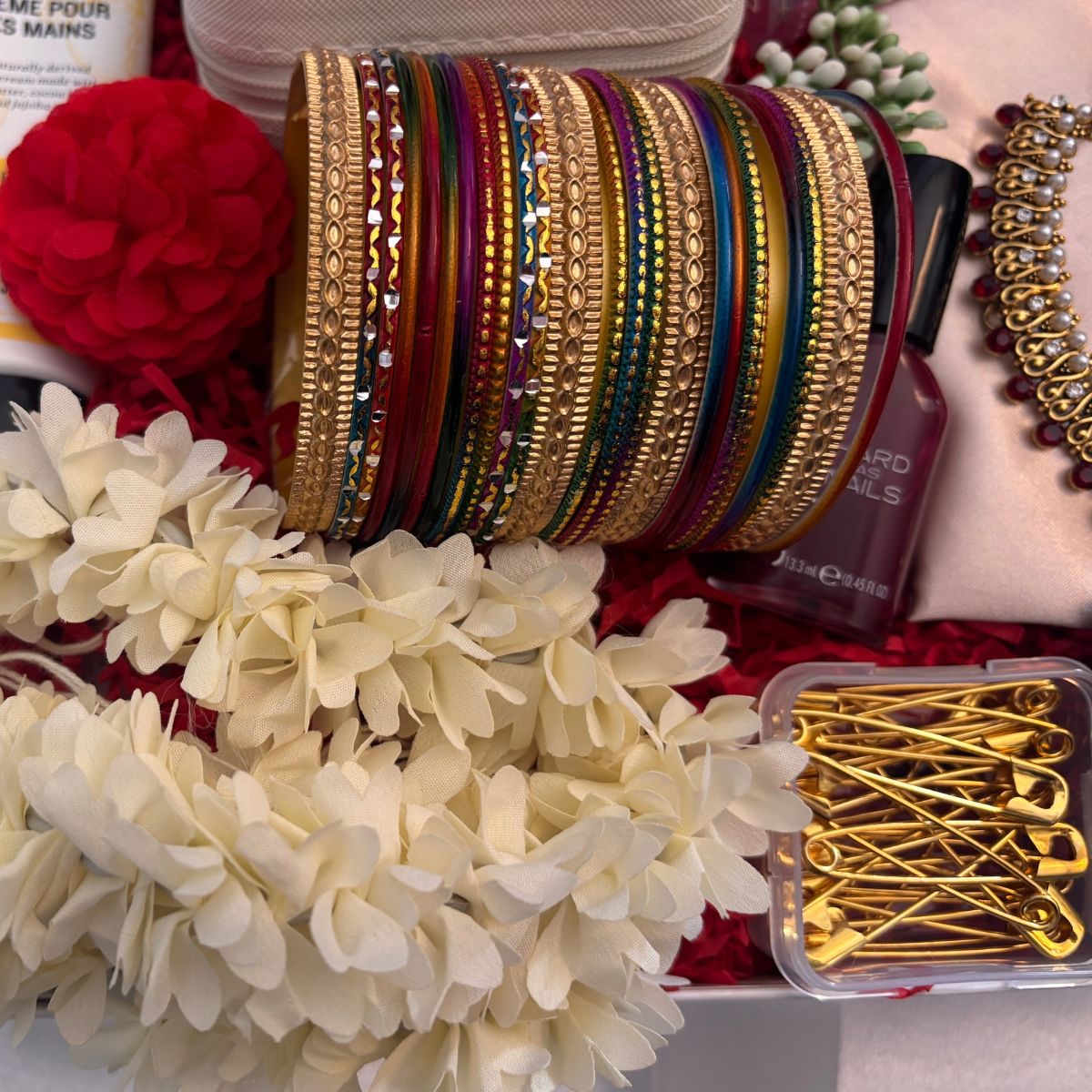
For regional elegance and lasting use
For timing, temple rules, and practical support
For flowers, softness, and understated beauty
Plan Before the Wedding Week
Confirm the wedding setting, bridesmaid count, cultural roles, outfit direction, and whether the ceremony is in a temple or auditorium.
Finalize sarees or dresses, collect sizes and preferences, order personalized products, and confirm temple rules.
Share the complete schedule, assign responsibilities, test jewelry and footwear, and confirm jasmine or hair-accessory logistics.
Label jewelry, garments, emergency kits, and ceremonial items. Give bridesmaid boxes before travel begins.
Confirm call times, transport, food, temple instructions, weather, and the person responsible for the Thaali and Pudava.
What to Avoid
Name the family tradition and confirm the actual ceremony.
Some do; others center on Thalikettu and Pudava Kodukkal.
Use textiles selectively and let language, flowers, food, family, and ritual carry cultural meaning too.
Describe the material and production method honestly.
Entry, shoes, leather, photography, flowers, and clothing rules should be confirmed directly.
Comfort matters through heat, ceremony, photographs, and reception.
Flats, organizers, mirrors, and etiquette cards should arrive before the ceremony.
Publish only genuine customer stories with permission.
Save and Share
Frequently Asked Questions
Malayali Hindu is more community-centered and works well for U.S. diaspora readers. Kerala Hindu remains a useful secondary phrase for headings and SEO.
A Western-style bridal party is not required, but many Malayali-American couples include bridesmaids. Sisters and cousins may also hold traditional family roles.
It is the ritual in which the groom ties the Thaali around the bride’s neck at the auspicious moment.
It is the presentation of a saree or cloth by the groom to the bride in many Kerala Hindu traditions. The interpretation and timing vary by family.
No. Some families include Saptapadi and other Vedic rites, while others use a shorter ceremony centered on Thalikettu and Pudava Kodukkal.
Yes, when coordinated with the bride. Confirm whether she is reserving cream and gold for herself.
No. Sarees, salwar suits, lehengas, and modest coordinated dresses can work depending on the temple, family, and wedding style.
It depends on the temple. Some permit all respectfully dressed visitors, while others restrict entry. Confirm directly with the temple.
Temple ceremonies usually require shoe removal. Auditorium and hotel weddings may not.
Yes. Confirm hairstyle, allergies, freshness, and whether fresh or reusable flowers are more practical.
Some ceremonies are brief, while Vedic or community-specific ceremonies can be longer. Share the planned duration with bridesmaids.
Give practical ceremony items before the wedding week so bridesmaids can test, pack, and use them.
There is no fixed amount. A thoughtful box can often be created between $40 and $85, while artisan textiles or premium jewelry may increase the cost.
A jewelry organizer, emergency kit, comfortable flats, compact mirror, or temple-etiquette card is likely to be used during the wedding.
Often it is the handwritten letter because it explains why the person was chosen and what her friendship means beyond the ceremony.
The Gift Is the Gratitude
A Malayali Hindu wedding may look simple from the guest’s seat, but the women standing beside the bride know how much is happening behind the stage or temple doors. They are protecting silk, organizing gold, watching the Muhurtham, securing jasmine, guiding guests, and making sure the bride can remain present instead of managing every detail herself.
Your gift does not need to compete with the beauty of the saree or the significance of the ceremony. It only needs to show that you noticed.
A jewelry organizer can say, “I thought about everything you are carrying.” A pair of flats can say, “I want you to be comfortable through every photograph.” A temple card can say, “I want you to feel welcomed into my family’s traditions.” A handwritten letter can say what the whole box is meant to express: “Your friendship mattered long before this wedding, and I am grateful you are here for this moment.”
Malayali Hindu wedding traditions differ across Nair, Namboothiri, Ezhava, Thiyya, Menon, Vishwakarma, and other communities, as well as by region, temple, priest, and family. This guide reflects commonly documented practices and U.S. diaspora adaptations, but it does not claim that every family observes every ritual in the same way. Confirm the final ceremony sequence, terminology, temple rules, clothing expectations, and participant roles with the couple’s family and officiant.