
The church schedule is not flexible.
The wedding party must arrive in time for parish rules, clergy preparation, processional order, and the service itself.
Kerala Christian Wedding Guide
A detailed guide to church traditions, Minnu and Manthrakodi, denomination-specific differences, bridesmaid responsibilities, practical gifting, and the details that help a Kerala Christian wedding feel both faithful and beautifully prepared.
What This Guide Helps You Do
Kerala Christian weddings bring together faith, family, liturgy, regional tradition, church etiquette, and carefully timed transitions. This guide explains those moments before recommending gifts.
One friend grew up in the same parish and understands every prayer and gesture. Another is attending her first Kerala Christian wedding and is trying to understand why a wedding saree is blessed at the altar, why the groom ties the Minnu on a thread taken from that saree, and whether she should stand, sit, or remain silent during different parts of the service.
That is the character of a Kerala Christian wedding. It may be elegant and highly photographed, but its center is not decoration. It is the church, the sacrament or covenant, the prayers, the family, and the public blessing of a new household.
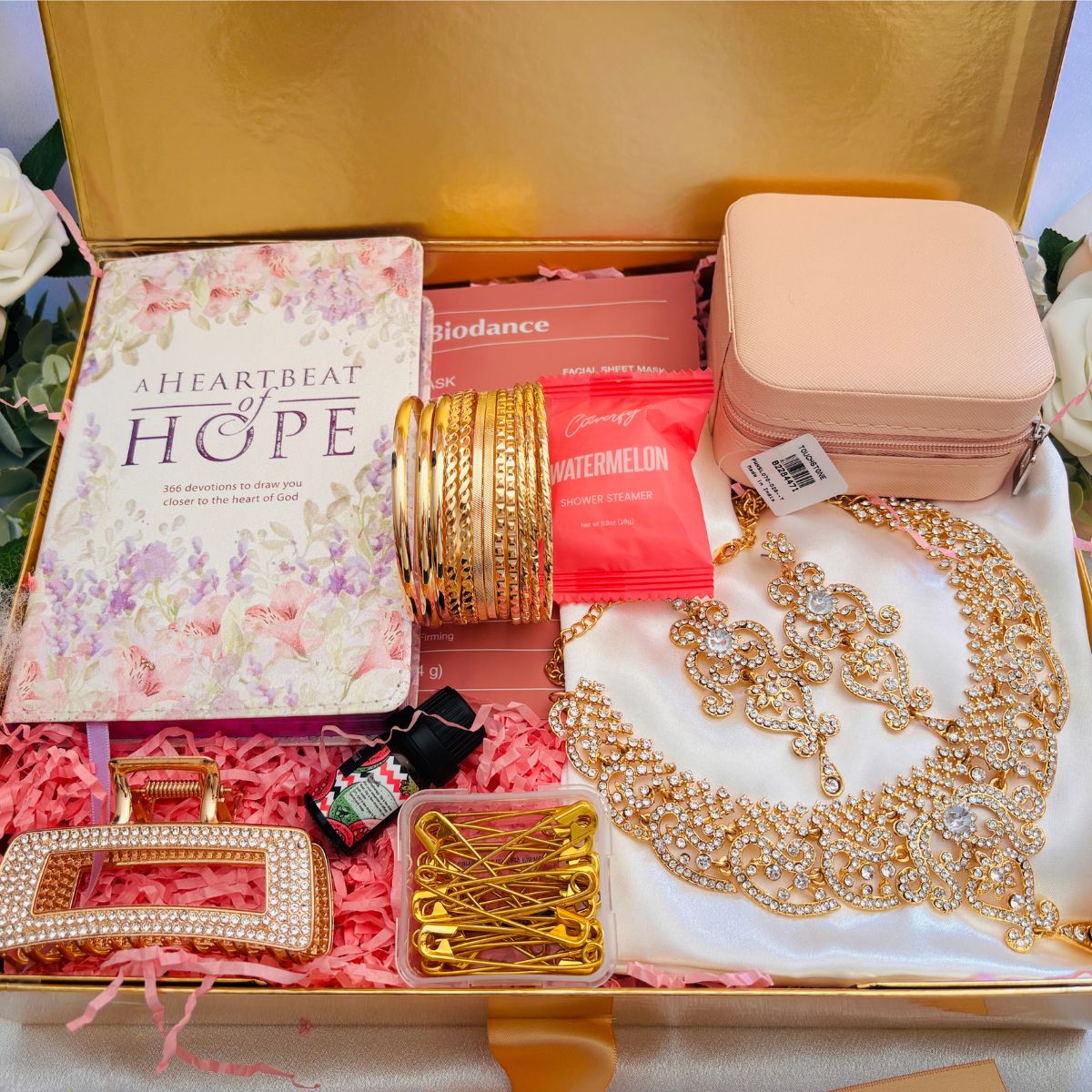
A thoughtful bridesmaid gift should recognize that experience. It should not be a random collection of products chosen only because they look beautiful in a box. The best gifts protect jewelry, help manage the veil, support a long service, make an early morning easier, or become a keepsake connected to the friendship.
Kerala Christian weddings also vary significantly between Syro-Malabar, Syro-Malankara, Latin Catholic, Malankara Orthodox, Jacobite Syrian, Mar Thoma, CSI, Pentecostal, and other church communities. Some traditions are widely shared across Saint Thomas Christian families; others belong more strongly to one denomination or parish. Use this guide as a planning framework, and let your church, priest or pastor, and family define the final service.
Start With the Wedding
A Kerala Christian wedding creates a different set of practical needs from a high-energy multi-event wedding. The bridal party may spend more time managing church logistics, veil and train placement, bouquets, jewelry, formal processions, hymn books, seating, and the transition from the church to the reception.
The service may include Holy Qurbana or Mass, Scripture readings, prayers, blessings, Minnukettu, Manthrakodi, ring exchange, signing of the marriage register, or denomination-specific liturgical rites. The bride may wear a white gown, a saree, a Manthrakodi, or more than one look. The bridal party may stand for long periods and then move quickly into formal photographs.
The wedding party must arrive in time for parish rules, clergy preparation, processional order, and the service itself.
A white gown, long veil, Manthrakodi, bouquet, and church seating can create several clothing transitions within one service.
Bridesmaids must understand when photography, movement, whispering, or repositioning would be inappropriate.
What is central in a Syro-Malabar wedding may not appear in the same way in a Mar Thoma, Orthodox, CSI, or Latin Catholic service.
Quick Facts
Know the Church Tradition
The most important editorial decision is to avoid combining every Kerala Christian practice into one ceremony. The summary below is intentionally broad and should be verified with the couple’s parish.
| Church Tradition | General Character | Wedding Elements That May Appear | Planning Note |
|---|---|---|---|
| Syro-Malabar Catholic | Eastern Catholic, East Syriac liturgical heritage | Holy Qurbana or marriage rite, Minnu, Manthrakodi, rings, prayers, register signing | Parish preparation, canonical documentation, and liturgical rules should be confirmed early. |
| Syro-Malankara Catholic | Eastern Catholic, West Syriac liturgical heritage | Crowning or blessing traditions, Minnu and Manthrakodi in many families, liturgical prayers | The service may feel visually and musically different from Syro-Malabar practice. |
| Malankara Orthodox Syrian | Oriental Orthodox, West Syriac liturgical tradition | Sacramental prayers, crowning, ring blessing, Minnu or Manthrakodi in many families, Holy Qurbana depending on parish practice | Bridesmaids should understand that the couple’s union is treated as a sacramental mystery. |
| Jacobite Syrian Christian | West Syriac Orthodox tradition | Crowning, prayers, ring blessing, Minnu and Manthrakodi in many families | Confirm processional, seating, head-covering, and photography rules with the parish. |
| Mar Thoma Syrian | Reformed Eastern church with Syrian heritage | Scripture, prayers, ring exchange or blessing, Minnu and Manthrakodi in many families, congregational worship | The service may be simpler than Orthodox or Catholic liturgies but remains highly structured. |
| Church of South India | United Protestant tradition | Vows, rings, Scripture, prayers, blessing, hymns; cultural elements vary by family | Minnu and Manthrakodi may be included culturally, but should not be assumed. |
| Latin Catholic | Roman Catholic Latin Rite | Nuptial Mass or wedding service, vows, rings, readings, blessing, register signing | Kerala cultural details may be added, but the rite differs from Eastern Catholic liturgies. |
| Pentecostal or Evangelical | Non-liturgical or less liturgical Protestant tradition | Vows, Scripture, sermon, prayer, rings, worship music, family blessing | Some families avoid jewelry, ritual objects, dancing, or alcohol, while others do not. Ask rather than assume. |
The Wedding Journey
Not every family includes every event below. The order and terminology vary by church and household.
Some families begin with a formal meeting between the two households. Traditionally associated with arranged introductions, the gathering may now be a relaxed family visit after the couple has already chosen one another.
Bridesmaids are usually not involved, but close friends may help the bride prepare or offer emotional support.
Depending on the church, the engagement may be a parish ceremony, family gathering, ring exchange, formal blessing, or part of a larger reception. Some churches require canonical or parish preparation before the wedding can proceed.
A bridesmaid may help organize gifts, photographs, jewelry, invitations, or the engagement-day timeline.
Couples may need premarital preparation, certificates, banns, permissions, parish letters, legal documents, or meetings with clergy. Requirements differ by church and jurisdiction.
This is not a bridesmaid duty, but the wedding schedule should not be finalized until the couple understands the church’s requirements and timing.
Some Kerala Christian families hold Madhuram Veppu, a sweet-sharing ceremony in the bride’s and groom’s homes. Close relatives feed the couple sweets, offer blessings, and begin the final wedding celebrations.
Details vary. Bridesmaids may help with photographs, trays, the bride’s outfit, or keeping the event moving without turning it into a staged performance.
Many families gather for prayer before leaving for church. Parents and elders may bless the bride, a priest or pastor may pray, and the household may share an emotional farewell before the formal service.
Bridesmaids should allow family members space, keep phones quiet, and be ready to move immediately when transport begins.
The bridal party may need to arrive well before guests for clergy instructions, photographs, processional organization, document checks, or sacristy preparation.
One bridesmaid should know where the rings, Minnu, Manthrakodi, bouquet, veil, and emergency kit are located.
The processional order differs by church and couple. Bridesmaids may walk individually, in pairs, or not process formally at all. In some parishes, the bride and groom enter differently from a Western wedding.
Do not assume the bride will walk down the aisle in the same format used in an American Protestant ceremony. Confirm the parish order.
The service may include Scripture readings, hymns, prayers, homily or sermon, and denomination-specific liturgical responses. In Catholic and Orthodox churches, the wedding may be connected with Holy Qurbana or Mass.
Bridesmaids should know when to stand, sit, respond, or remain still. A printed program can be helpful for guests from other traditions.
Rings may be blessed and exchanged directly or mediated through the priest, depending on the church. The meaning is not simply decorative; the ring signifies fidelity, commitment, and public covenant.
The ring bearer, best man, bridesmaid, or family member responsible for the rings should be identified before the processional begins.
The groom ties the Minnu around the bride’s neck. In many traditions, the thread is made from strands taken from the Manthrakodi. The Minnu usually carries a Christian cross design and has become one of the most recognizable symbols of Saint Thomas Christian marriage.
Because the pendant and thread are small and ceremonial, they should be checked before the service and placed exactly where the priest expects them.
The Manthrakodi is the wedding saree given by the groom and his family. It is blessed and placed over the bride’s head or shoulders during the ceremony. The word is commonly explained as “garment of prayers.”
The fabric may be cream, ivory, gold, red, or another family-selected color. Bridesmaids should not assume it will be a Kerala kasavu saree.
In many West Syriac traditions, including Malankara Orthodox, Jacobite, and Syro-Malankara rites, the couple may be crowned or receive a ceremonial blessing associated with the dignity and responsibility of married life.
This is a central liturgical moment. Bridesmaids should remain still and avoid blocking the congregation’s view.
Depending on the church, the couple may exchange spoken vows, express consent through liturgical responses, or receive the church’s blessing through prayers led by clergy.
Do not rewrite or insert personal vows without confirming that the church permits them.
The wedding may continue within Holy Qurbana or Mass. Communion rules differ by church, and guests should not be pressured to participate outside their own tradition.
Bridesmaids unfamiliar with the church should receive respectful guidance before the service rather than being corrected publicly.
The couple and witnesses may sign church or legal documents after or during the service. The photographer and bridal party should know whether photographs are permitted at that moment.
Witnesses should have identification and any required information ready.
Family photographs often happen immediately after the service. This can become chaotic if every extended relative approaches at once.
A bridesmaid or coordinator should use a prewritten photo list and protect the church’s time limits.
The couple may be welcomed with flowers, candles, traditional lamps, applause, music, or a formal entrance. Practices vary by family and denomination.
Bridesmaids may help with the entrance order, bouquet, veil removal, seating, and reception outfit change.
The reception may include cake cutting, speeches, first dance, family prayer, choir or musical performances, and a Kerala meal or modern banquet menu.
Some families include alcohol and dancing; others do not. The bridal party should follow the family’s values rather than assuming one reception style.
Two Central Symbols
The Minnu is a small marriage pendant used in many Saint Thomas Christian traditions. It is often leaf-shaped or heart-like and includes a cross formed through gold beads or another design. Explanations vary by church and family, but the pendant is widely understood as a Christianized regional marriage symbol.
In many weddings, the Minnu is tied on a thread made from strands taken from the Manthrakodi. The number of strands or knots may vary. Bridesmaids should not write a ceremony program that presents one number as universal unless the parish has confirmed it.
The Manthrakodi is the wedding saree given by the groom and his family and blessed during the service. Its name is commonly translated as “garment of prayers.” In some theological explanations, the cloth evokes Christ clothing the Church and the groom’s commitment to honor and care for the bride.
The Manthrakodi may later be worn at the reception, on the first Sunday after the wedding, or for another family or church occasion. Color and fabric vary. Cream and gold are popular, but red, maroon, pastel, silk, and highly embroidered versions are also used.
The Problem
The Better Plan
Ask the priest or sacristan who prepares the thread, how it should be placed, and when it should arrive. Keep a designated person responsible for it.
The Problem
The Better Plan
Confirm how the priest wants it presented. Fold it for easy ceremonial use, not only for photography.
The Better Plan
Use the explanation approved by the couple’s church. Cultural symbolism and official liturgical teaching are not always identical.
The Quiet Work Behind the Ceremony
The Church-Morning Reality
The Problem
The Better Plan
Test the veil outdoors, carry extra pins, and assign one bridesmaid to position it immediately before the processional.
The Better Plan
Set a hard departure time. Take only the most important bridal-room photographs before church and finish the rest afterward.
The Better Plan
Assign bouquet care to one person and follow the florist’s storage instructions.
The Better Plan
Use a clean dressing area, garment cover, white towel, stain-remover pen, and one designated gown handler.
The Better Plan
Arrange a simple breakfast and water plan. Be mindful of fasting or Communion requirements and confirm them with the church.
Sacred Space, Clear Guidance
The bridal party may need parish instructions, processional rehearsal, photographs, and item placement before guests arrive.
Bridesmaid attire should respect the church’s expectations for neckline, length, transparency, and shoulder coverage.
Only assigned participants, clergy, servers, and permitted photographers should enter restricted areas.
Different churches have different rules. Guests should never be pressured to receive Communion.
Vibration can still be distracting during prayer, Scripture, and the central marriage rites.
Flash, aisle movement, altar access, and post-service photographs may be restricted.
Quiet Elegance With Context
White and ivory reflect the visual language of many Christian weddings, but they should be used carefully if the bride wants to reserve those shades for herself. Bridesmaids can wear sage, dusty rose, champagne, navy, burgundy, eucalyptus green, or soft gold while still supporting a church-centered palette.
Kerala kasavu can create a strong regional connection, especially for a reception or pre-wedding gathering. Yet not every cream-and-gold saree is handwoven Kerala kasavu. Describe machine-made, blended, and kasavu-inspired products accurately.
Pearls work naturally with gowns, sarees, church lighting, and Manthrakodi colors. Lightweight pearl or gold-tone earrings often feel more appropriate for bridesmaids than oversized bridal sets.
White lilies and roses create a formal church look, while jasmine can bring a Kerala connection when it suits the bride’s hairstyle and denomination. Greenery, baby’s breath, and muted florals can make the palette feel contemporary without losing warmth.
| Wedding Moment | Palette Direction | Fabric or Detail | Practical Consideration |
|---|---|---|---|
| Engagement | Blush, wine, emerald, navy, champagne | Silk, chiffon, satin, refined embroidery | Choose polished clothing suitable for family and church photographs. |
| Church Ceremony | Sage, dusty rose, navy, burgundy, pearl, soft gold | Crepe, chiffon, satin, modest sarees or dresses | Consider sanctuary lighting, seating, and shoulder coverage. |
| Reception | Emerald, black, champagne, copper, burgundy, silver | Velvet accents, satin, silk, beadwork | Coordinate with the bride’s second look and stage backdrop. |
| Kerala-Inspired Gathering | Ivory, cream, green, gold | Kasavu or kasavu-inspired details | Describe the textile accurately and avoid making every product identical. |
From Ceremony to Solution
| Wedding Moment | What Bridesmaids May Do | Common Problem | Useful Gift or Preparation |
|---|---|---|---|
| Engagement | Organize gifts, photographs, and jewelry | Small valuables are misplaced | Personalized jewelry organizer |
| Madhuram Veppu | Help with outfit, trays, and photographs | Hands become sticky and personal items move around | Compact pouch, tissues, phone holder |
| Bridal Home Prayer | Remain quiet and help departure | Emotional delay and forgotten belongings | Departure checklist and assigned bag |
| Church Arrival | Organize processional and ceremonial items | Rings, Minnu, or Manthrakodi are not where expected | Church lead checklist |
| Long Service | Stand, sit, hold bouquet, manage veil | Foot pain and dehydration | Comfortable shoes, water before service, handkerchief |
| Church Photographs | Gather family and manage gown | Time is lost locating relatives | Printed family photo list |
| Reception Transition | Remove veil, change jewelry, organize outfit | Accessories become mixed | Labeled jewelry case and garment bag |
| Reception | Speeches, entrance, dancing, guest support | Foot pain, dead phone, makeup touch-ups | Flats, charger, compact mirror, mints |
The MarryCrate Framework
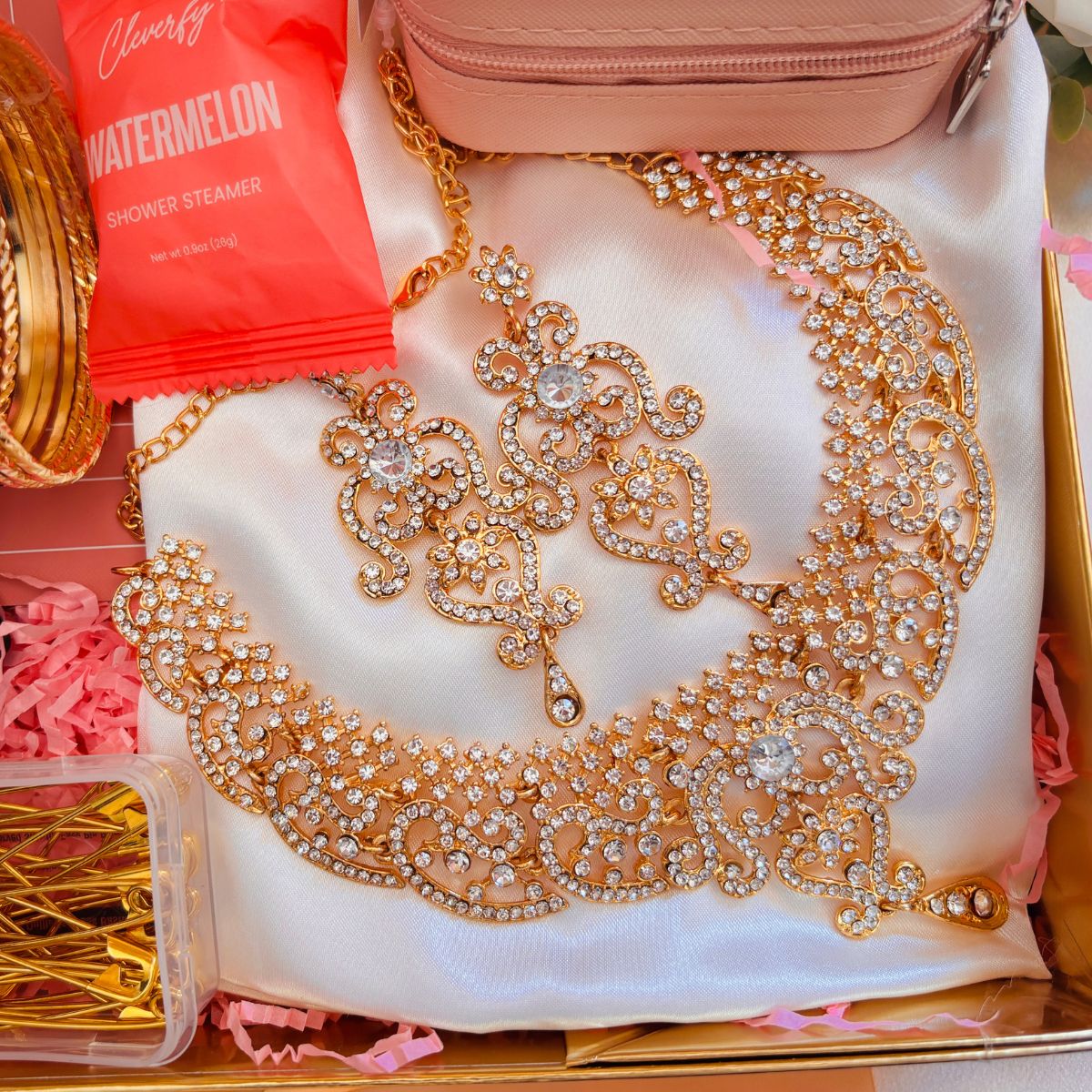
Fewer, Better Gifts
Several jewelry pieces, hair accessories, and reception items must move between home, church, and venue.
Choose a structured case with necklace hooks, earring panels, ring rolls, and compartments large enough for Indian and Western jewelry.
Formal church shoes often become painful before the reception begins.
Gold, champagne, black, or pearl-toned flats can move easily from church photographs to reception dancing. Fit and support matter more than packaging.
A veil, train, bouquet, and saree can all require quick fixes.
Include safety pins, fashion tape, tissues, stain-remover pen, earring backs, small sewing kit, bandages, hair pins, and mints.
Bridesmaids often need a quick mirror while the bridal room mirror is occupied.
A brass-tone, pearl, or ivory compact works with both church and reception aesthetics and remains useful afterward.
Large statement jewelry can compete with the bride and become uncomfortable during a long service.
Choose classic pieces that complement gowns and sarees without looking bridal.
Emotional family moments and long services make tissues unexpectedly important.
An embroidered cotton or linen handkerchief can feel elegant, useful, and emotionally appropriate without becoming disposable.
The morning may begin early, and the bridal party can forget food and hydration.
Choose coffee, tea, or water according to the recipient’s preference. Confirm any fasting or Communion-related expectations with the church.
Guests unfamiliar with the church may feel uncertain throughout the service.
Explain the processional, Minnu, Manthrakodi, Communion expectations, register signing, and reception transition in plain language.
A prayer card can feel impersonal when it is selected without understanding the recipient.
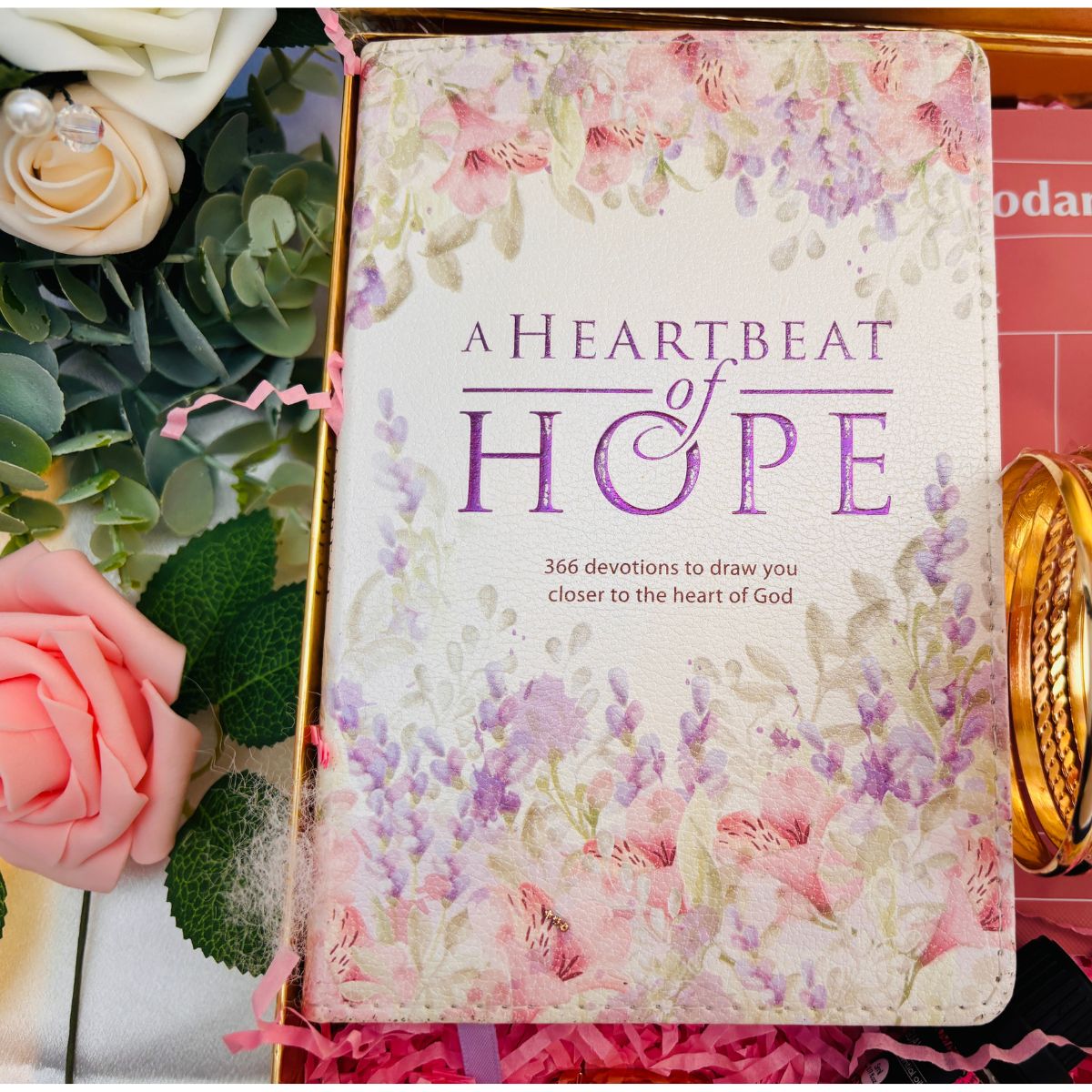
Use a Scripture verse, prayer, or personal blessing only when it fits the bride’s faith and the bridesmaid’s comfort. Avoid implying that every bridesmaid shares the same beliefs.
Matching boxes can still feel emotionally generic.
Tell her why you chose her, name a shared memory, and recognize the specific way she has supported you.
Signature Box Concepts
For veil, bouquet, and church-day support
For organization before the service
For soft, timeless keepsake value
What to Avoid
Name the church tradition and verify the service before writing ceremony guidance.
These are central in many Saint Thomas Christian families but not universal across all Kerala churches.
Culture can also be expressed through Malayalam, church music, food, flowers, family traditions, and hospitality.
Confirm church expectations before ordering dresses or saree blouses.
A blessing card can be meaningful, but should never make a bridesmaid from another faith feel excluded.
Rings, Minnu, Manthrakodi, bouquet, and documents each need a clear owner.
Flats, handkerchiefs, mirrors, and emergency kits should be given before the church morning.
Publish only genuine customer stories with permission.
Save and Share
Frequently Asked Questions
A Western-style bridal party is not required by the church, but many Kerala Christian couples in the U.S. include bridesmaids. Sisters and cousins may also perform similar support roles without the formal title.
The Minnu is a Christian marriage pendant used in many Saint Thomas Christian traditions. It usually includes a cross design and is tied around the bride’s neck during the wedding service.
The Manthrakodi is the wedding saree given by the groom and his family, blessed during the service, and placed over the bride’s head or shoulders in many Kerala Christian traditions.
No. They are especially associated with many Saint Thomas Christian communities, but practice varies by denomination, parish, and family.
Follow the bride’s palette and the church’s expectations for modesty. Dresses, sarees, and coordinated formal outfits can all work when suitable for the sanctuary.
Yes, especially for a Kerala-themed gathering or reception, but they are not required. Confirm whether the bride is reserving cream and gold for herself.
Yes. They can stand with the bridal party, observe the service respectfully, and follow church guidance without being expected to recite beliefs they do not share.
Communion rules differ by church. Guests should follow the parish’s guidance and should never be pressured to receive.
The length depends on the denomination and whether Holy Qurbana or Mass is included. Confirm the planned duration with the church and share it with the bridal party.
It is a sweet-sharing pre-wedding tradition observed in some Kerala Christian families. Relatives feed the bride or groom sweets and offer blessings.
The concept and packaging can match, but earrings, faith-based items, personalization, dietary preferences, and shoe sizes may need to vary.
Practical church-morning items should be given before the wedding day so bridesmaids can pack and use them.
There is no fixed amount. A thoughtful box can often be created between $40 and $85, while premium jewelry or textiles may increase the cost.
A jewelry organizer, emergency kit, foldable flats, compact mirror, or personalized handkerchief is likely to be used during the wedding.
Often it is the handwritten letter because it explains why the person was chosen and what her friendship means beyond the ceremony.
The Gift Is the Gratitude
A Kerala Christian wedding may look quiet from the pews, but the women standing beside the bride know how much is happening behind the sanctuary doors. They are protecting the veil, finding the rings, checking the bouquet, holding tissues, guiding guests, watching the church clock, and making sure the bride can remain present in the service instead of managing every detail herself.
Your gift does not need to compete with the beauty of the church or the significance of the ceremony. It only needs to show that you noticed.
A jewelry organizer can say, “I thought about everything you are carrying.” A handkerchief can say, “I know this day may be emotional.” A ceremony card can say, “I want you to feel welcomed into my family’s faith and traditions.” A handwritten letter can say what the entire box is meant to express: “Your friendship mattered long before this wedding, and I am grateful you are here for this moment.”
Kerala Christian wedding traditions differ across Syro-Malabar, Syro-Malankara, Latin Catholic, Malankara Orthodox, Jacobite Syrian, Mar Thoma, CSI, Pentecostal, and other church communities. This guide reflects commonly documented practices and U.S. diaspora adaptations, but it does not claim that every church or family observes every custom in the same way. Confirm the final liturgy, ceremony terminology, Communion practice, clothing expectations, and participant roles with the couple’s parish and clergy.