
A shrine-centered religious ceremony involving Shinto ritual, sacred sake, vows, offerings, and family.
Bridesmaid Gift Ideas for Japanese Wedding in the US
Japanese-American Bridesmaid Guide
Bridesmaid Guide for Japanese Weddings in the U.S.
A practical guide to Japanese-American Shinto, Christian-style, secular, and fusion weddings—covering bridesmaid roles, shrine etiquette, san-san-kudo, bridal kimono, outfit changes, goshugi, hikidemono, reception customs, and thoughtful gifts built around MarryCrate’s Wear + Ready + Keep framework.
The First Distinction
Bridesmaids can belong beautifully in a Japanese-American wedding without being a traditional Japanese requirement.
Modern Japanese weddings frequently combine Japanese and Western elements. In the United States, a couple may add bridesmaids to a Shinto-inspired, Christian, secular, civil, or multicultural celebration. The important question is what role the couple actually wants them to play.
UnderstandShinto ceremony, family roles, and reception customs
PrepareFor attire, shrine etiquette, outfit changes, and timing
SupportThe bride without inserting the bridal party into sacred ritual
GiftUsing Wear + Ready + Keep
The bride is dressed in white, but it is not the white dress her bridesmaids expected.
She is wearing a shiromuku.
Her friends have spent the morning doing familiar bridesmaid things—organizing personal belongings, checking the timeline, making sure the bride has water, and keeping the room calm. But when the family prepares for the Shinto ceremony, their role changes.
A Shinto wedding is not built around a Western bridal-party formation. Official descriptions of weddings at Meiji Jingu emphasize a solemn procession, Shinto priests and shrine maidens, the couple, family and friends, followed by a ceremony that includes sacred sake, vows, offerings, and family elements.
That does not mean bridesmaids do not belong in a Japanese-American wedding. It means their role needs to be intentional.
Many contemporary Japanese weddings already place Japanese and Western elements side by side. Couples may marry in Shinto style, use a Christian-style ceremony, wear kimono and Western wedding clothes during the same celebration, exchange rings, cut a cake, give speeches, and change outfits during the reception.
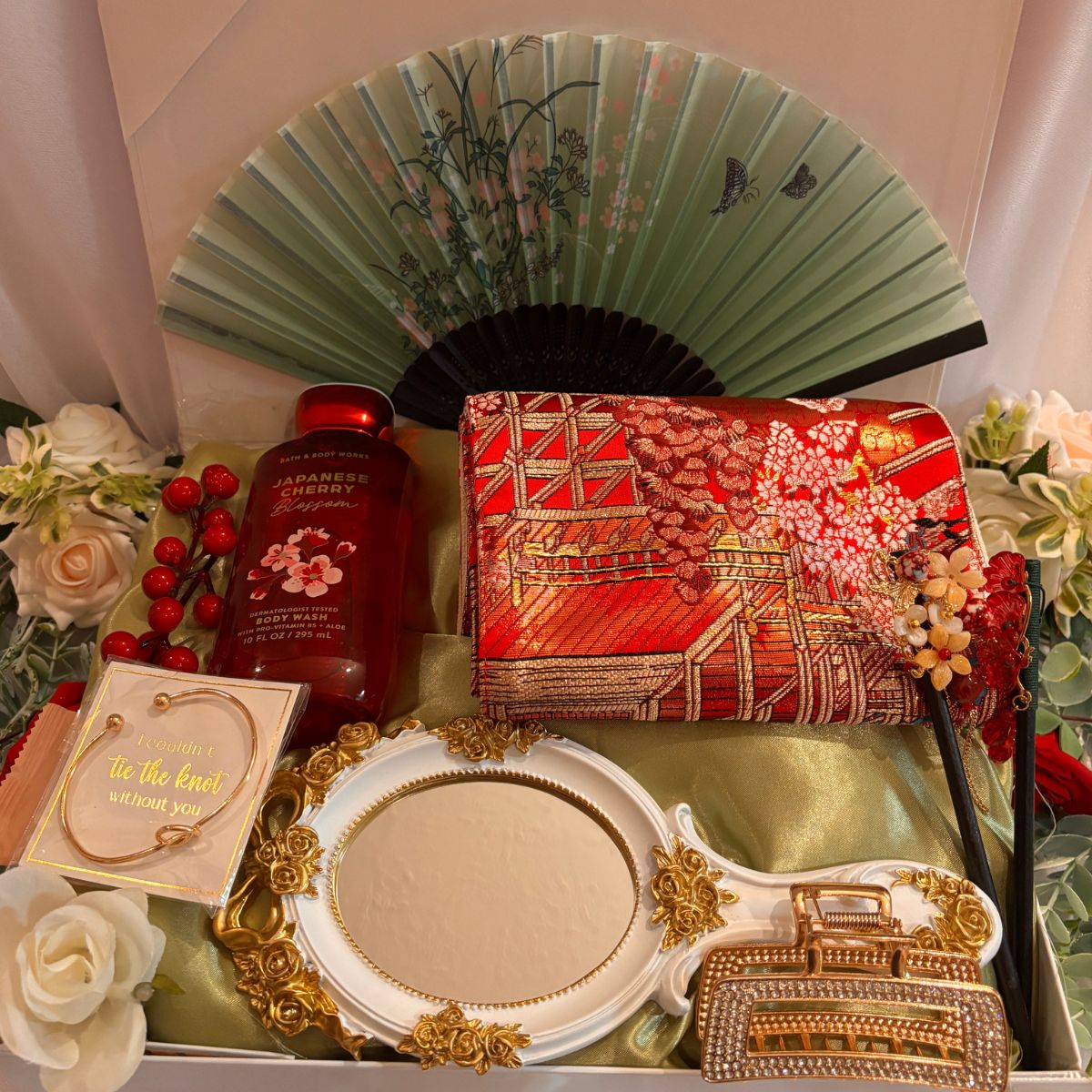
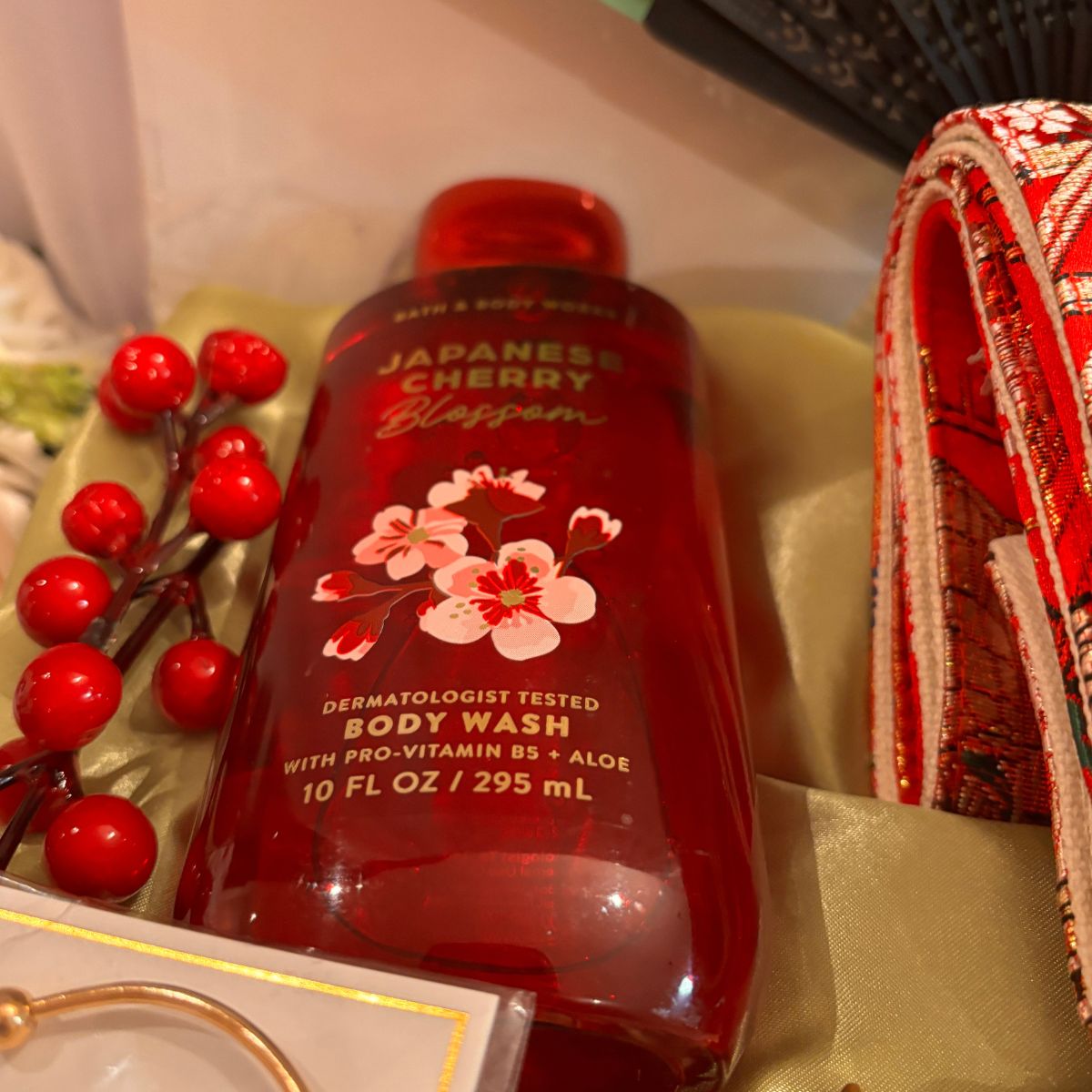
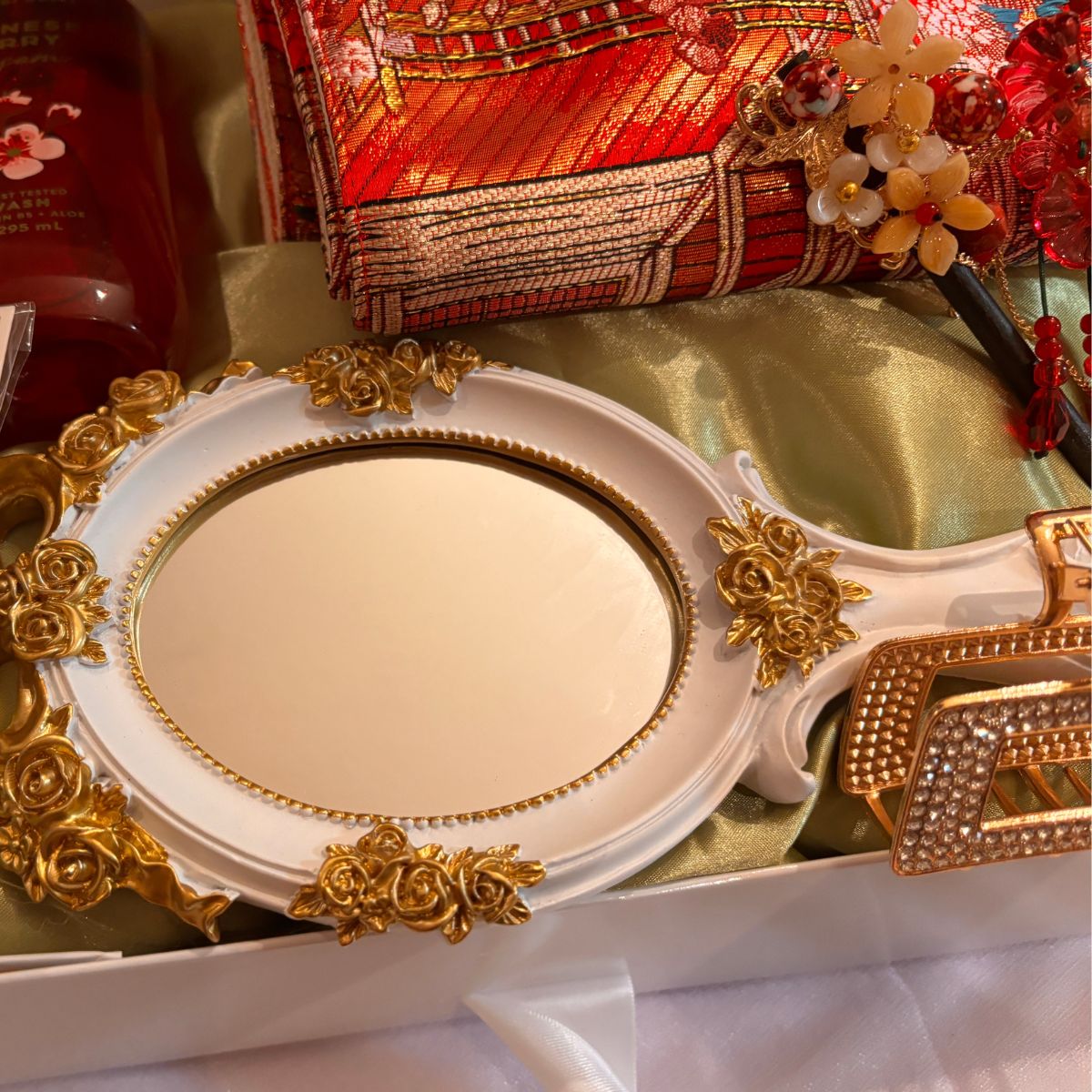
For MarryCrate, the same distinction matters with gifts. A Japanese bridesmaid box does not need cherry blossoms, chopsticks, random kanji, miniature torii gates, or a sake cup to prove that it belongs at a Japanese wedding. Start with what the bridesmaid will actually wear, use while getting ready, and keep after the celebration.
Start With the Actual Wedding
A Japanese-American Wedding Is Not Simply a Wedding in Japan Moved to the U.S.
Contemporary weddings in Japan already combine many traditions. Japanese weddings may contain traditional and Western elements side by side, including Shinto ceremonies, kimono, white wedding dresses, Christian-style ceremonies, rings, cake cutting, speeches, and multiple outfit changes.
A Japanese-American wedding adds another layer: grandparents may expect familiar Japanese customs while American friends expect bridesmaids, a processional, and a long reception. The goal is not to make every part visibly Japanese. It is to understand which traditions matter to this family.
The Western Wedding Party Question
Do Japanese Weddings Traditionally Have Bridesmaids?
The familiar American Maid of Honor plus matching bridesmaids is not historically the organizing structure of a traditional Shinto wedding. Shinto wedding descriptions focus on the couple, priests, shrine maidens, family, relatives, sacred sake, vows, and the joining of the families.
Modern Japanese-American couples can absolutely choose bridesmaids. They usually belong to the modern social structure of the wedding: getting ready, photographs, a Western-style processional, reception support, speeches, and friendship.
Several Possible Formats
Shinto, Christian-Style, Secular, and Fusion Weddings
Western chapel and church-inspired ceremonies are well established in modern Japanese wedding culture.
Couples may choose a hotel, garden, restaurant, civil, or personalized ceremony.
A U.S. wedding may combine a Western ceremony and bridal party with kimono, family customs, Japanese reception details, or a separate Shinto element.
Follow the Bride
The Japanese-American Bride’s Wedding Journey
1
Family and Ceremony Planning
Decide whether the wedding includes Shinto ritual, a Christian-style ceremony, a secular ceremony, or several formats.
2
Bridal Attire
The bride may choose shiromuku, iro-uchikake, another kimono, a Western gown, or several looks.
3
Getting Ready
Bridesmaids can organize personal items, protect the timeline, provide food and water, and leave professional kimono dressing to specialists.
4
Main Ceremony
At a Shinto ceremony, the bridal party follows shrine instructions and lets family and ritual roles take priority.
5
Photography & Outfit Change
Multiple bridal looks are common in modern Japanese wedding celebrations.
6
Reception
Family, friends, speeches, music, food, outfit reveals, and thank-you remarks may all become part of the celebration.
Sacred Space Needs Different Energy
Shinto Wedding Etiquette for Bridesmaids
Official Meiji Jingu guidance describes Shinto weddings as solemn and intimate. A typical procession is led by priests and shrine maidens, followed by the couple, family and friends. Ceremony details differ by shrine and region.
Follow the shrine’s seating plan.
Do not assume bridesmaids stand beside the bride.
Keep the atmosphere quiet.
The shrine may require a much more restrained presence than the getting-ready room.
Keep the procession clear.
Do not step into its path for photographs.
Ask before photographing.
Rules vary by shrine and ceremony area.
Do not handle ritual objects.
Sake cups, tamagushi, offerings, and shrine objects are not bridal-party props.
Follow the officiants.
When guests are asked to stand or bow, follow the shrine’s instructions.
Three, Three, Nine
San-san-kudo Is a Marriage Ritual, Not a Bridesmaid Activity
Jinja Honcho describes san-san-kudo, within the san-kon-no-gi portion of the ceremony, as the couple sharing sacred sake from three cups in a patterned exchange. Traditional explanations connect the number nine with auspicious wishes for a long and happy household.
Do not turn the cups into a bridal-party toast, duplicate the ritual merely for photographs, or use sake cups as a generic Japanese bridesmaid gift.
Know Which Garment Belongs to Whom
Shiromuku, Iro-Uchikake, Kimono, and Western Wedding Gowns
Official Japanese tourism materials document traditional bridal kimono including shiromuku and richly decorated uchikake. Kimono today are primarily special-occasion clothing, including for weddings.
| Look | Wedding Context | Bridesmaid Planning Note |
|---|---|---|
| Shiromuku | Formal white bridal kimono | This is bridal attire; bridesmaids should not imitate it for coordinated dressing. |
| Iro-Uchikake | Colorful, richly decorated bridal over-kimono | Allow professional dressers to manage the garment. |
| Other Formal Kimono | May be worn by mothers, relatives, or guests according to formality and family practice | Do not choose kimono categories casually without knowledgeable guidance. |
| Western Gown | Christian-style, secular ceremony, reception, or outfit change | Bridesmaids can perform familiar Western getting-ready duties. |
Respectful Does Not Mean Mandatory
Should Non-Japanese Bridesmaids Wear Kimono?
They can when the bride and family intentionally choose it and proper dressing support is available. But wearing kimono is not required to demonstrate respect for a Japanese wedding.
For many Japanese-American weddings, coordinated dresses are simpler and more comfortable. If kimono is chosen, work with someone who understands the garment, formality, dressing, obi, footwear, and movement. Avoid costume-store shortcuts.
Where Bridesmaids Become Extremely Useful
Outfit Changes Need Organization
Modern Japanese weddings may involve several changes of dress. This is one area where an American-style bridesmaid role becomes genuinely useful.
Before the change
- Stage the next shoes and accessories.
- Keep the bride’s phone and personal bag separate.
- Give professional kimono dressers room to work.
During the change
- Protect the timeline.
- Keep unnecessary visitors out.
- Bring water or a small snack if permitted.
After the change
- Confirm jewelry and personal belongings.
- Store the previous outfit correctly.
- Make sure the photographer knows the bride is ready.
Guest Gift Money Is a Different System
Goshugi Is Not the Bridesmaid Gift
Tokyo’s multicultural information service defines goshugi as money or a gift for a marrying couple. Cash is traditionally placed in a special goshugi-bukuro envelope, and the amount depends on the guest’s relationship to the couple.
For a Japanese-American wedding in the U.S., do not assume every bridesmaid must follow Japanese domestic cash-gift expectations on top of buying a dress, traveling, and participating in the wedding. The couple should communicate its actual U.S. registry and gift expectations clearly.
A Thank-You Gift, But Not the Same One
Hikidemono Is Not a Bridesmaid Box
Tokyo’s official multicultural resource describes hikidemono as a gift from the married couple expressing gratitude to wedding guests, often placed at guests’ seats during the reception.
That makes hikidemono closer to a substantial guest thank-you gift than to an American bridesmaid proposal or bridesmaid appreciation box. A bridesmaid may receive both in a Japanese-American wedding, but the two gifts serve different purposes.
Formal Can Still Be Joyful
Japanese Reception Etiquette
Japanese wedding receptions may include introductions, a formal meal, speeches, songs or performances, outfit changes, and closing thanks from the couple. Contemporary Japanese weddings can combine these with familiar Western reception elements.
Prepare speeches.
If a bridesmaid is asked to speak, keep it warm, appropriate for several generations, and within the requested time.
Respect outfit reveals.
Do not post the bride’s next look before she re-enters the reception.
Know the family photo plan.
Parents, grandparents, and relatives may need priority over bridal-party content.
Do not force a cultural activity.
The reception does not need origami, sake, or a cherry-blossom theme simply because the bride is Japanese.
The Work Behind the Friendship
What Japanese-American Bridesmaids Actually Do
Before the wedding
- Understand the ceremony format.
- Confirm whether bridesmaids attend the shrine portion.
- Order attire early.
- Learn photography and venue restrictions.
Getting ready
- Keep the room calm.
- Organize personal items.
- Provide food and water.
- Leave kimono dressing to professionals.
Shinto ceremony
- Follow shrine seating and procession instructions.
- Keep phones away.
- Do not handle ritual objects.
- Let family roles take priority.
Outfit changes
- Stage accessories.
- Protect the timeline.
- Store belongings carefully.
- Keep the next look private until reveal.
Reception
- Give a speech if invited.
- Help gather people for photographs.
- Keep the bride’s essentials nearby.
- Support the celebration without turning every moment into content.
The MarryCrate Framework
Wear + Ready + Keep for Japanese-American Bridesmaids
Wear
- Understated earrings
- Delicate bracelet
- Hair accessory
- Comfortable foldable flats
- Wedding-appropriate accessory chosen around the actual attire
Ready
- Cosmetic or travel pouch
- Blotting papers
- Compact mirror
- Wedding-day care kit
- Travel-size personal essentials
Keep
- Personalized jewelry case
- Quality compact accessory
- Accurately sourced Japanese craft detail
- Useful travel piece
- Handwritten letter
Fewer, Better Gifts
Meaningful Japanese Bridesmaid Gift Ideas
01
Long formal wedding days require a practical place for personal essentials.
Structured Cosmetic or Travel Pouch
Useful for makeup, medicine, jewelry, room keys, and small wedding-day necessities, then easy to reuse for travel.
02
Bridesmaids may move between ceremony, photographs, and reception for hours.
Comfortable Foldable Flats
A practical recovery item after formal shoes, especially when the reception includes significant standing or dancing.
03
Formal photographs call for jewelry that complements rather than competes.
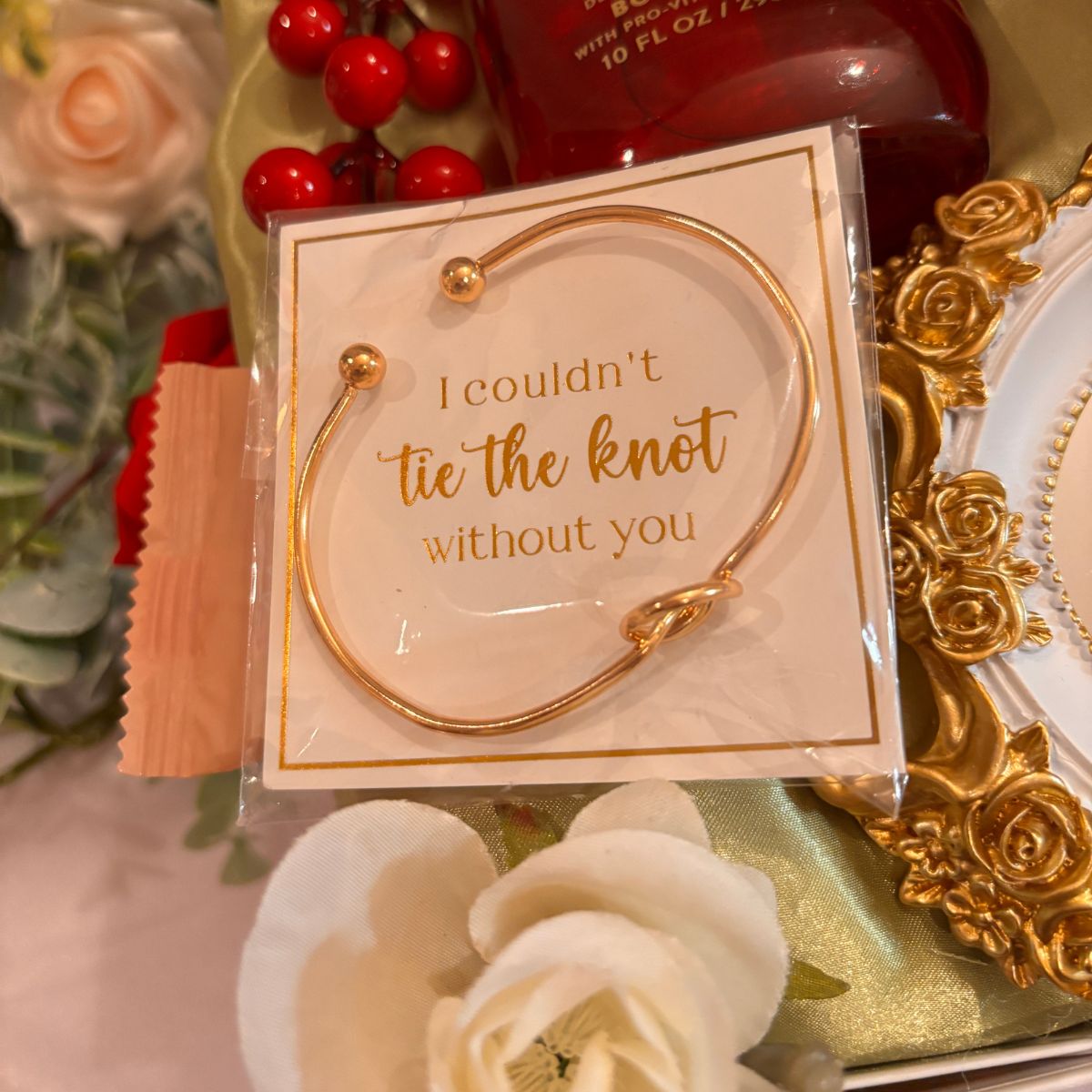
Understated Earrings or Bracelet
Choose something wearable again rather than forcing a Japanese motif onto the jewelry.
04
Outfit changes create jewelry and accessory clutter.
Personalized Jewelry Case
Useful during the wedding and afterward, especially for destination or hotel weddings.
05
A culturally connected product can quickly become souvenir-like.
Accurately Sourced Japanese Craft Detail
Furoshiki, mizuhiki, washi, lacquerware, regional textile, or Japanese stationery can be beautiful when provenance and purpose are clear. Kyoto’s Nishijin textile tradition, for example, is a specific craft tradition rather than a generic “Japanese pattern.”
06
Matching boxes can make every friendship feel identical.
Handwritten Letter
Tell each bridesmaid why she is standing beside you. The relationship should remain more visible than the cultural theme.
Signature Box Concepts
Three Japanese-American Bridesmaid Boxes MarryCrate Could Build
For the wedding morning
The Getting Ready Box
- Structured cosmetic pouchFor wedding-day essentials
- Understated earringsSomething she can wear again
- Handwritten cardThe emotional center
For ceremony through reception
The Wedding Day Comfort Box
- Foldable flatsFor post-ceremony comfort
- Compact care kitFor practical fixes
- Personalized jewelry caseFor outfit-change organization
For an understated cultural connection
The Craft & Keepsake Box
- Useful personalized accessoryChosen around the recipient
- Accurately sourced Japanese craft detailFuroshiki, washi, textile, or stationery when appropriate
- Personal letterThe part no one else can reproduce
Make the Friendship Visible
Japanese Bridesmaid Personalization Ideas
Names, initials, the wedding date, or a short personal message are safer and usually more meaningful than decorative Japanese text. If Japanese writing is used, verify the exact characters, reading, tone, and meaning with a fluent speaker.
Simple, personal, and useful across cultures.
Works beautifully on a jewelry case, pouch, or travel accessory.
A subtle keepsake detail when the product will still be useful later.
A handwritten note can carry more cultural and emotional intelligence than decorative kanji.
What to Avoid
Common Japanese Bridesmaid Planning Mistakes
Calling bridesmaids a traditional Shinto wedding role
They can be part of the modern wedding without being part of historical ritual structure.
Turning san-san-kudo into a bridal-party sake toast
It is a marriage ritual centered on the couple.
Putting every bridesmaid in kimono without proper support
Kimono dressing, formality, movement, and cost need planning.
Using shiromuku as bridesmaid inspiration
It is specialized bridal attire.
Confusing goshugi with bridesmaid gifts
One goes to the couple; the other thanks the bridesmaid.
Calling hikidemono an American-style favor
It is a guest thank-you gift with its own Japanese wedding context.
Putting random kanji on personalized gifts
Verify language before production—or simply personalize with names.
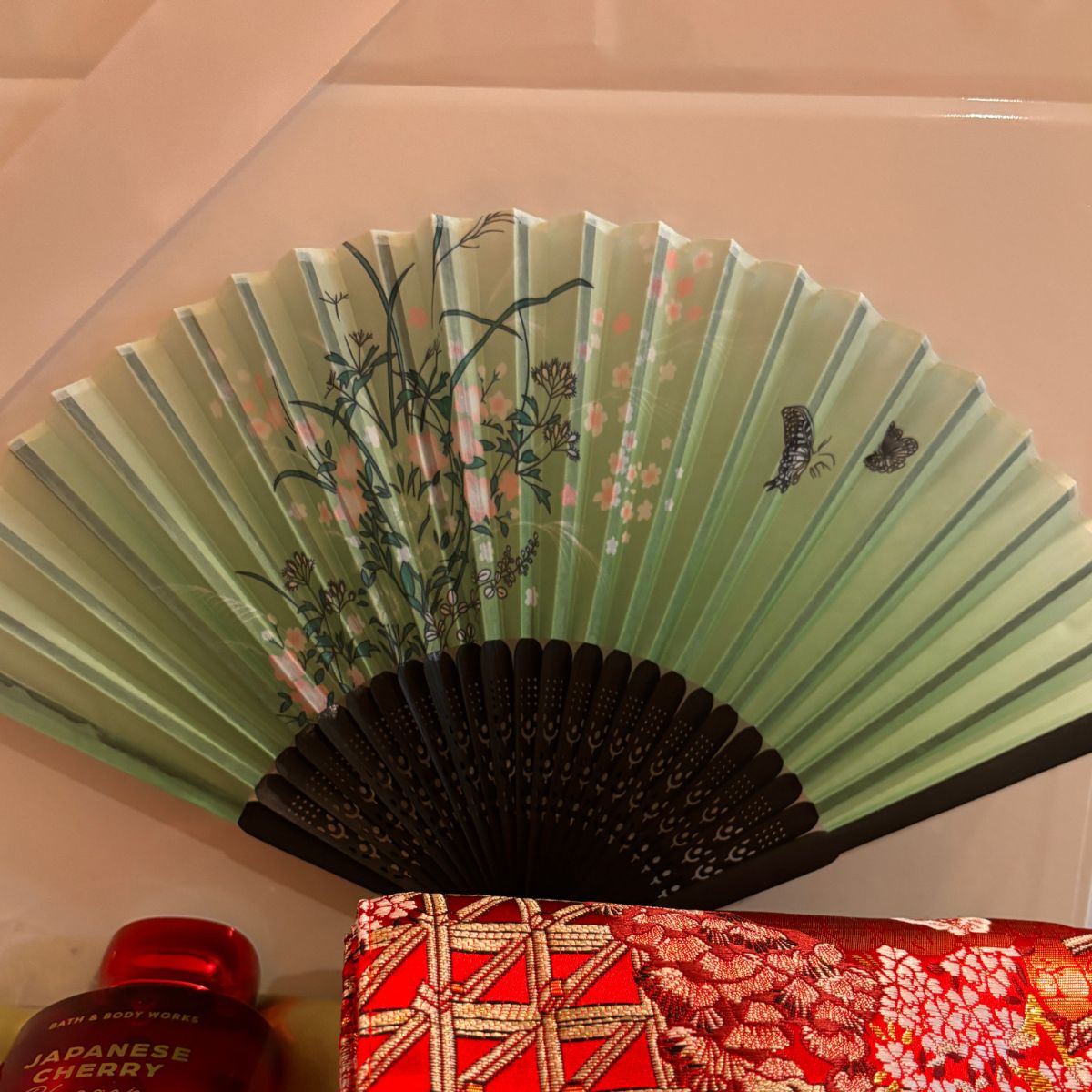
Using cherry blossoms, chopsticks, torii gates, and sake as a stereotype bundle
Specificity and usefulness are stronger than visual shorthand.
Wedding Week
Japanese-American Bridesmaid Checklist
Attire
- Dress steamed and ready
- Shoes plus backup flats
- Jewelry and hair accessories
- Kimono appointment confirmed if applicable
Ceremony
- Shrine or venue rules reviewed
- Photography restrictions known
- Processional/seating assignment confirmed
- Family roles understood
Bride Support
- Water and snack
- Phone and personal bag custodian
- Emergency pouch
- Next-look accessories staged
Reception
- Speech prepared if assigned
- Family photo list understood
- Outfit reveal kept private
- Transportation and final belongings confirmed
Frequently Asked Questions
Japanese-American Bridesmaid Roles, Etiquette & Gifts
Do traditional Japanese weddings have bridesmaids?
Not in the same historical structure as a modern American wedding party. Japanese-American couples can absolutely choose bridesmaids as part of their contemporary celebration.
Can bridesmaids attend a Shinto wedding ceremony?
Possibly. Guest access, seating, procession, and photography rules vary by shrine, so confirm with the specific shrine or officiant.
What is san-san-kudo?
It is a Shinto marriage ritual involving the couple sharing sacred sake through three cups in a patterned exchange. It is not a bridesmaid toast.
What is shiromuku?
Shiromuku is formal white Japanese bridal kimono attire. It should not be treated as a bridesmaid style.
What is iro-uchikake?
It is a richly decorated colorful bridal over-kimono used as formal wedding attire.
Can non-Japanese bridesmaids wear kimono?
Yes when the bride and family intentionally choose it and knowledgeable dressing support is available. It is not required.
What is goshugi?
Goshugi is wedding gift money given to the couple, traditionally presented in a special envelope. It is different from a bridesmaid appreciation gift.
What is hikidemono?
Hikidemono is a thank-you gift from the married couple to reception guests. It should not automatically be equated with an American bridesmaid box.
Do Japanese brides change outfits during the wedding?
They can. Multiple attire changes are well established in contemporary Japanese wedding celebrations, although every couple chooses differently.
What are good Japanese-American bridesmaid gifts?
Useful options include understated jewelry, foldable flats, a cosmetic pouch, compact mirror, care kit, personalized jewelry case, travel accessory, or accurately sourced Japanese craft detail.
Is furoshiki a good bridesmaid gift?
It can be, especially when it is a well-made reusable wrapping cloth with accurate sourcing and a practical purpose rather than simply Japanese-themed decoration.
Can I put kanji on bridesmaid gifts?
Only when the exact characters, reading, tone, and meaning have been verified. Names, initials, and dates are often safer and more personal.
Should Japanese bridesmaid boxes include sake?
Not by default. Sacred sake has a ritual role in Shinto weddings, and personal alcohol preferences vary.
When should bridesmaid gifts be given?
Give wedding-use products before the wedding day so bridesmaids can pack and use them during the celebration.
What is the most meaningful Japanese bridesmaid gift?
A useful personalized product paired with an individual handwritten letter usually carries more meaning than a box filled with obvious Japanese symbols.
The Gift Is the Gratitude
Choose the Box Around the Friend Standing Beside You
A Japanese-American wedding may ask a bridesmaid to be energetic in the getting-ready room, quiet at a shrine, invisible while a professional dresser handles a kimono change, ready with the next pair of shoes, and back beside the bride for photographs and the reception.
Your gift does not need to summarize Japan. It does not need cherry blossoms, kanji, a torii gate, or a sake cup. It only needs to show that you noticed the friend doing all of that beside you.
A cosmetic pouch can say, “I thought about what you will actually need that morning.” Comfortable flats can say, “I want you to enjoy the whole celebration.” A carefully sourced craft detail can say, “I wanted to share something from this wedding with care.” And a handwritten letter can say what the whole box is meant to express: “You have shown up for me long before this wedding. I wanted you beside me because of who you are.”
Editorial and Cultural Accuracy Note
Japanese and Japanese-American weddings differ by family, faith, shrine, region, generation, venue, and diaspora experience. Shinto ceremony participation, san-san-kudo, bridal kimono, bridesmaid roles, goshugi, hikidemono, and reception customs are not identical in every wedding. Confirm final religious procedures with the shrine or officiant and family customs with the couple and their families.