
Wear
Something that helps him feel prepared for the wedding or becomes part of his personal style.
- Cufflinks
- Pocket square
- Tie bar
- Dress socks
- Bracelet
- Culture-specific accessory when genuinely appropriate
MarryCrate Groomsmen Gift Guide
A practical guide to choosing groomsmen gifts that work across cultures, faiths, wedding traditions, personalities, and budgets—without assuming every guy wants a flask, every wedding serves alcohol, or every cultural symbol belongs on a product.
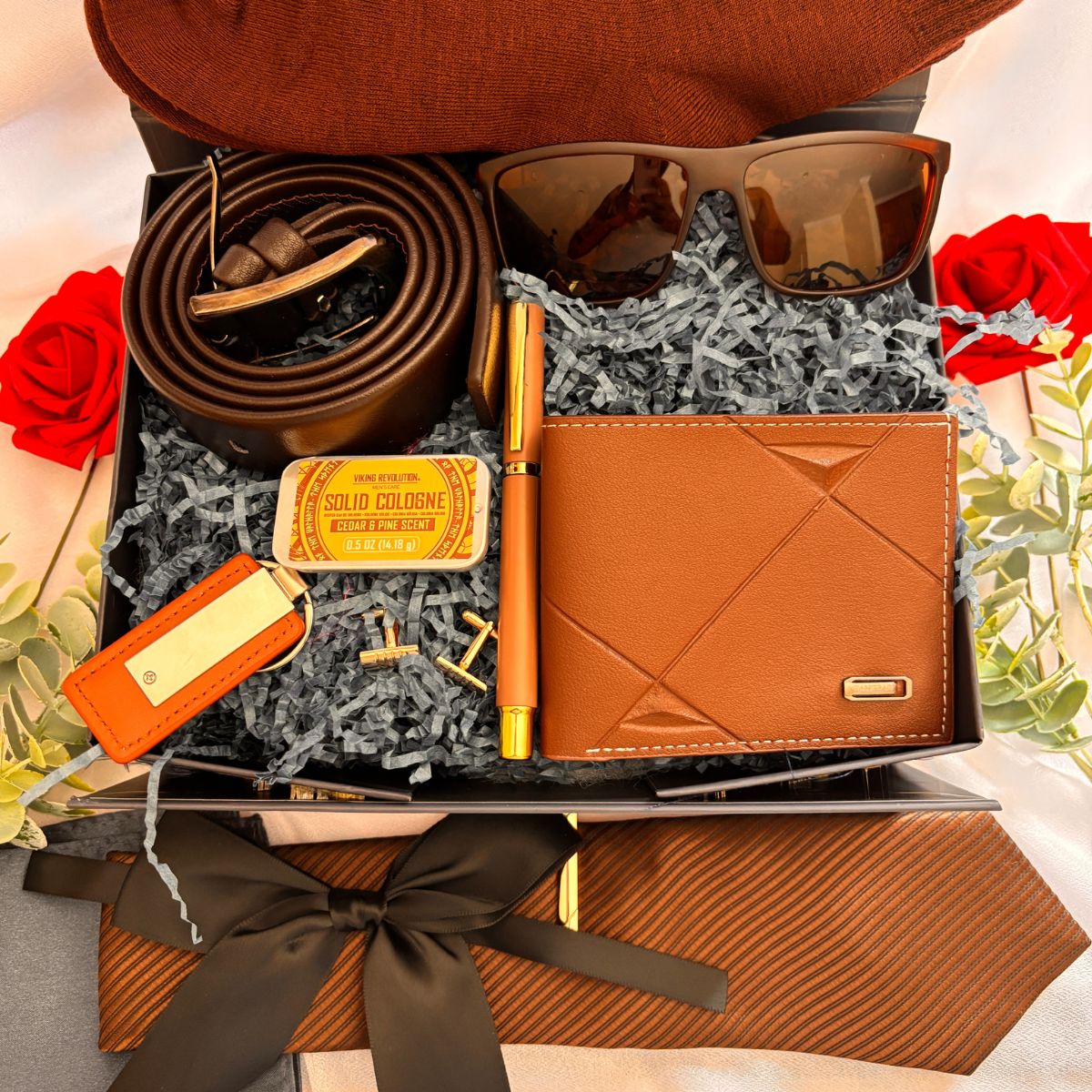
The MarryCrate Approach
Multicultural wedding crews make generic groomsmen gifting especially difficult. One friend may wear a turban to an Anand Karaj, another may be helping with a Vietnamese family gift procession, another may not drink alcohol for religious reasons, and another may simply want something useful. Our answer is a simple framework: Wear + Carry + Keep.
That is why the standard groomsmen gift formula—flask, whiskey glass, cigar accessory, novelty socks—often falls apart.
The problem is not that those gifts are always bad. The problem is assuming they are universal.
MarryCrate takes a different approach. A groomsmen gift should acknowledge the friendship, make sense for the wedding he is attending, respect the person receiving it, and remain useful after the wedding is over. Culture can make the gift more meaningful, but it should never become a costume or stereotype.
Start With Gratitude
A groomsman may spend money on clothing, alterations, travel, lodging, bachelor-party plans, transportation, and time away from work or family. But the gift is not supposed to reimburse him for those expenses. It is a thank-you for the relationship behind them.
A personalized wallet is not meaningful because leather is inherently emotional. It becomes meaningful when the groom gives it with a note recalling the friend who carried his wallet and phone after a chaotic college night ten years earlier. A pair of cufflinks becomes more than wedding attire when it references a shared place, family material, or detail the recipient will understand.
One Crew, Different Lives
Wedding-industry gifting often assumes a very specific recipient: a man in a Western suit who drinks alcohol, attends a bachelor party, carries a pocket knife, and wants his initials engraved on something metallic. That describes some groomsmen perfectly. It describes others badly.
A multicultural crew adds another layer. The wedding itself may ask different things of different people. A Sikh groomsman may need to understand Gurdwara etiquette and turban coordination. A Muslim groomsman may be attending an alcohol-free Nikah and Walima. A Jewish groomsman may need to understand Shabbat timing or an Orthodox dance floor. A Vietnamese-American friend may be carrying a ceremonial gift tray. A Filipino-American groomsman may also hold a sponsor role. A Korean-American friend may move from church attire into Hanbok for Paebaek.
The answer is not to put a different cultural symbol on the same flask. The answer is to understand the wedding moment first.
The MarryCrate Framework
Every item does not need to fit one category perfectly. The framework simply forces us to ask why the product belongs.
Something that helps him feel prepared for the wedding or becomes part of his personal style.
Something useful during the wedding weekend or ordinary life afterward.
Something he will still want when the suit has gone back into the closet.
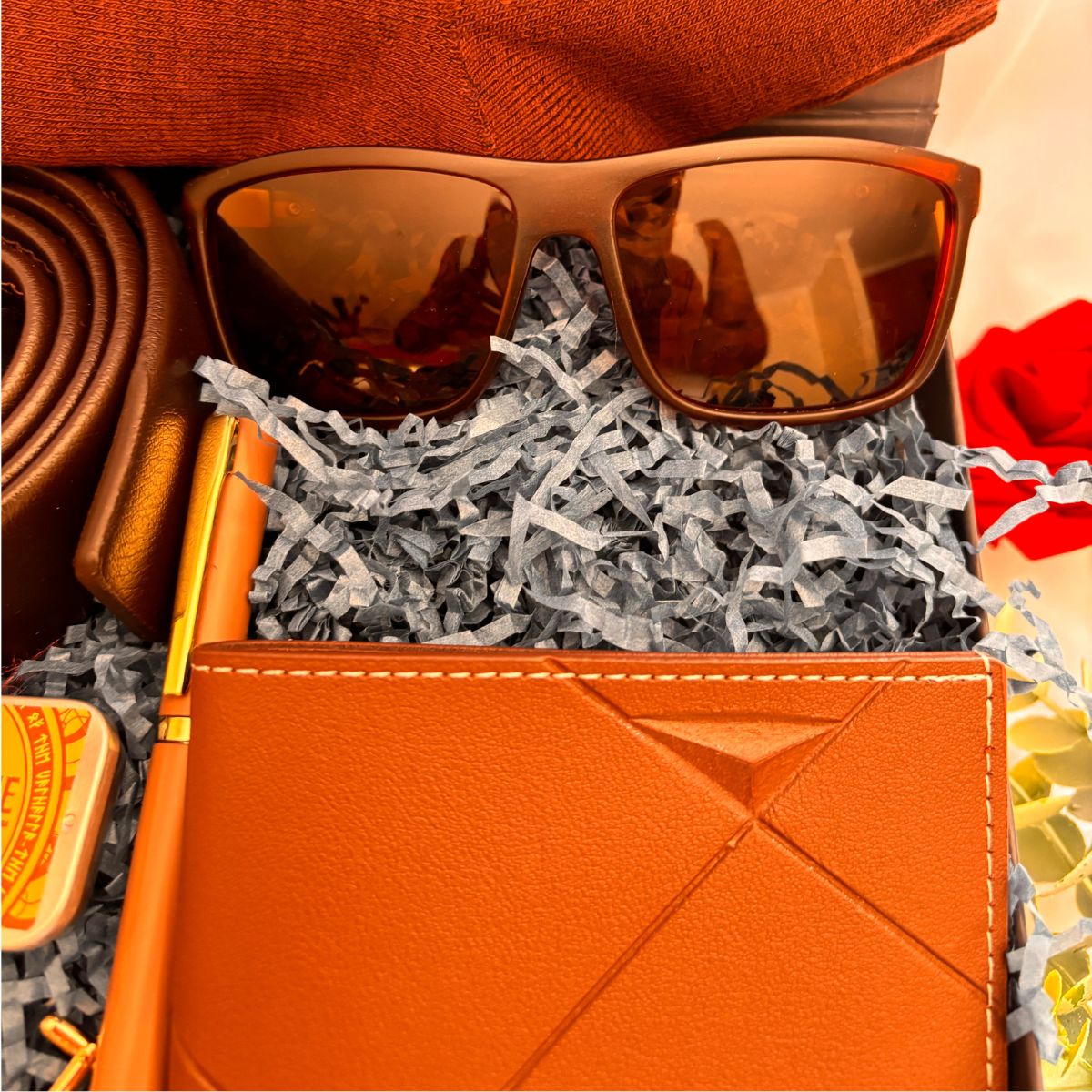
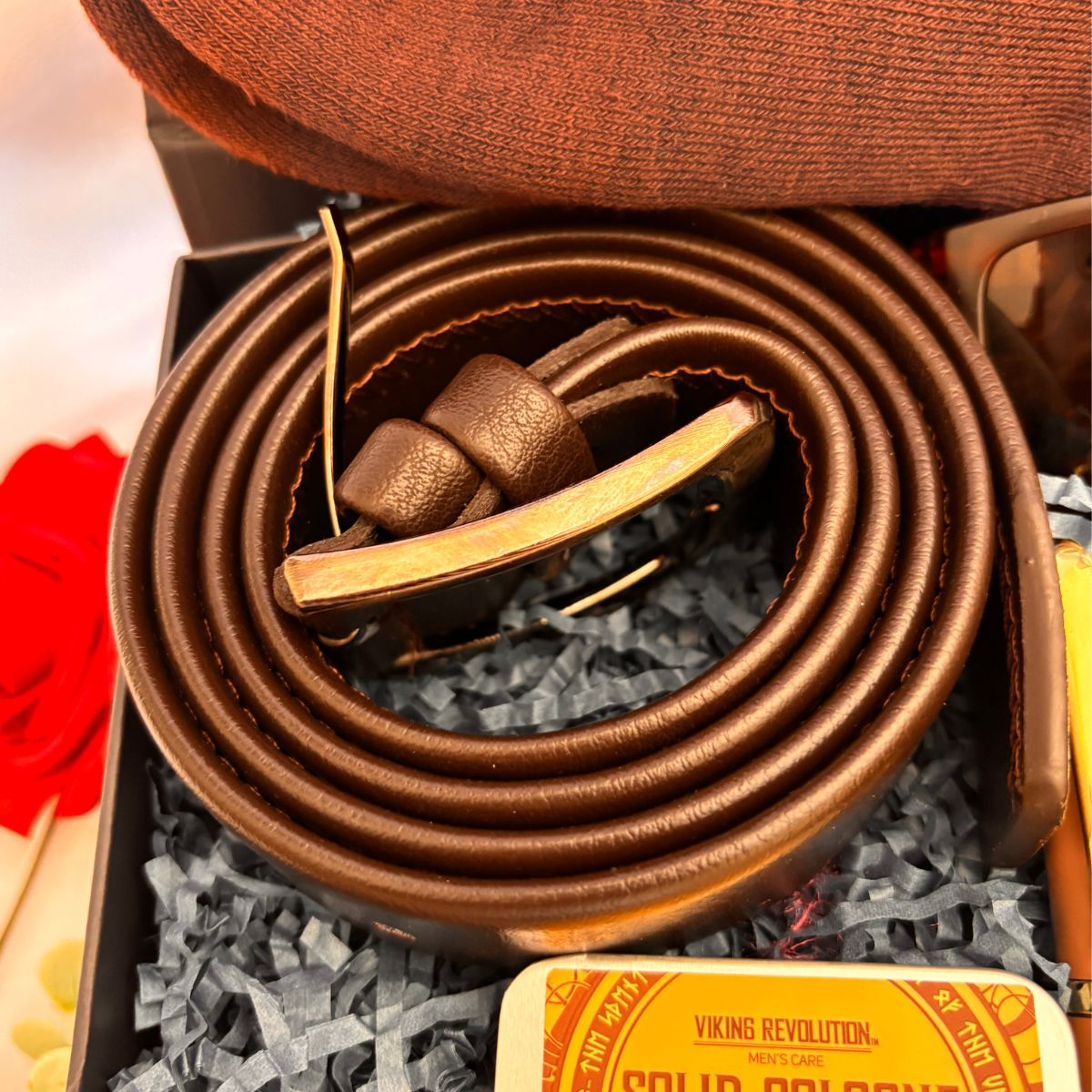
A Better Default
The issue is not banning these products. It is refusing to call them universal. The better question is whether the recipient already enjoys the item and whether the wedding context supports it.
| Gift | When It Can Work | When to Avoid or Ask First |
|---|---|---|
| Flask | Recipient drinks and the wedding context supports it | Muslim recipient, sober recipient, alcohol-free family, uncertain preference |
| Whiskey Glass | Known whiskey enthusiast | Do not assume drinking based on gender |
| Cigar Accessory | Recipient already enjoys cigars | Never introduce tobacco as a generic wedding keepsake |
| Pocket Knife | Known outdoors or tool enthusiast where lawful and practical | Travel-heavy wedding, venue restrictions, recipient dislikes tools |
| Wallet | Broadly useful when style fits the recipient | Check whether he prefers card holder, full wallet, or digital carry |
| Cufflinks | His formalwear uses French cuffs or he enjoys dress accessories | Not useful if his attire will never use them |
Gift for the Experience
There is no universal groomsman job description. In contemporary weddings, groomsmen generally support the groom, prepare attire, arrive on time, participate in photographs and the processional, assist guests when assigned, and help keep the day moving. Culture-specific weddings may add completely different responsibilities.
A Different Relationship Deserves a Different Thank-You
Usually, yes—if his responsibility and relationship are meaningfully different. Modern weddings may also have two best men, a best person of any gender, or no formal Best Man at all.
The upgrade does not have to mean more alcohol or a much larger box. It can mean better materials, a premium version of the same product, a more personal inscription, a shared photograph, or a longer handwritten letter.
| Groomsman | Best Man / Best Person |
|---|---|
| Personalized card wallet | Premium leather wallet with private message |
| Cufflinks | Cufflinks + personalized valet tray |
| Travel grooming pouch | Premium travel case |
| Short handwritten card | Longer personal letter or shared photograph |
Fewer, Better Gifts
Bulky wallets are often replaced or left at home.
A slim card wallet works across formalwear, travel, and everyday life. Personalize discreetly with initials, a date, or a short message rather than covering it with the word “GROOMSMAN.”
Formal accessories are often bought only for one wedding.
Choose a design he could wear again. Cultural motifs should come from his actual identity or the wedding tradition—not simply because they look exotic.
Phones, watches, keys, rings, and wallets scatter across hotel rooms.
A fold-flat leather or fabric valet tray is especially useful for destination and multi-day weddings and continues to work at home afterward.
Wedding mornings create small grooming emergencies.
Include practical items such as stain wipes, lint remover, bandages, mints, comb, shoe wipe, safety pins, and a small sewing kit. Avoid adding fragrance or skincare products unless you know his preferences.
A tie bar or pocket square can feel like a costume if it exists only for the photograph.
Choose quality and versatility. If the groom wants matching accessories for the wedding, the gift becomes stronger when the item also fits the recipient’s normal style.
Travel days create more clutter than the actual ceremony.
A structured toiletry or tech pouch can carry chargers, grooming items, medication, or small accessories without forcing a traditional “men’s gift” stereotype.
Keys and small everyday objects are easy to lose.
A minimalist key organizer or well-made leather key fob is easy to personalize and can be used long after the wedding.
Many personalized gifts become desk clutter because the customization is louder than the object.
A simple pen with discreet initials, wedding date, or a small engraved phrase works particularly well for a best man, older brother, mentor, or professional friend.
A cultural gift can look generic when it is disconnected from the wedding.
A Nigerian woven detail, Korean mother-of-pearl piece, Indian textile accessory, Mexican leatherwork, Vietnamese silk element, or another craft can be meaningful when provenance is real and the connection makes sense for the recipient or wedding.
Matching boxes can make every friendship feel identical.
Write different letters. Tell each person why he is in the wedding, name a memory, and say what you value about him. This is usually the least expensive item and often the one he keeps the longest.
Culture Should Add Meaning, Not Costume
The simplest way to make a multicultural gift feel forced is to begin with a list of symbols. A Sikh wedding does not require Khanda cufflinks. A Mexican-American groomsman does not need a tequila accessory. A Nigerian friend does not need an African-print object chosen without knowing its origin. A Korean-American groomsman does not need Hangul printed on every item.
Start instead with one of four connections: material, color, craft, or wedding function.
Use a textile, leatherwork tradition, metalwork style, or craft material connected to the actual family or community.
Borrow thoughtfully from the wedding palette, attire, flowers, or regional aesthetic rather than defaulting to a national flag.
Source from a credible maker and describe the craft accurately. “Inspired by” is better than falsely claiming authenticity.
Choose an item because the wedding actually creates a need: turban accessory storage, ceremonial outfit organization, comfortable reception footwear, or travel logistics.
Matching Does Not Have to Mean Identical
You do not need to give every groomsman the exact same three objects. What should feel consistent is the level of thought, quality, presentation, and gratitude.
Imagine a groom with four groomsmen: his Sikh brother, Muslim college roommate, Mexican-American cousin, and Korean-American coworker. Instead of giving four identical whiskey sets, he could use one common base product—such as a leather card wallet—then change the second item to fit each person’s life. One gets cufflinks, one a travel valet tray, one a grooming pouch, one a quality pen. All four receive the same premium packaging and an individual letter.
| Keep Consistent | Personalize Individually |
|---|---|
| Box quality | Product combination |
| Approximate value | Color or material |
| Presentation | Initials or inscription |
| Overall generosity | Cultural or personal detail |
| Handwritten gratitude | The actual message |
This avoids another common mistake: using the groom’s culture as though it automatically belongs to every groomsman. If a Punjabi groom has a Korean-American best man, the best man can absolutely receive a gift connected to the Punjabi wedding he is helping celebrate. But the gift should not pretend that Punjabi identity has become his personal identity.
Respect Is Part of Personalization
Religion affects more than ceremony etiquette. It can affect alcohol, food, imagery, materials, timing, grooming, clothing, and what feels appropriate as a gift. MarryCrate should treat these as filters rather than stereotypes.
| Context | Possible Consideration | Better Default |
|---|---|---|
| Muslim | Avoid alcohol-centered gifting; halal concerns may affect food products | Wallet, cufflinks, travel pouch, valet tray, pen |
| Sikh | Gurdwara etiquette, turban-related needs, alcohol preference varies by individual and observance | Useful formal accessory, travel case, wallet, meaningful craft |
| Jewish | Observance varies; kosher food and Shabbat can matter | Non-food, non-alcohol default unless preferences are known |
| Christian | Attitudes toward alcohol vary widely by denomination and family | Do not assume either drinking or abstinence |
| Hindu | Family and personal dietary or alcohol preferences vary | Useful personal accessories rather than food/drink assumptions |
| Secular / Unaffiliated | No religious restriction does not mean he wants alcohol or novelty gifts | Choose based on the person |
Personalization Should Be Quietly Specific
Initials are useful, but personalization does not have to mean monogramming every surface. In fact, the more visible the word “Groomsman,” the less likely the product is to be used after the wedding.
Use initials inside a wallet, a date on the underside of a valet tray, coordinates of a meaningful place, or a short phrase only the recipient understands.
The marathon runner, frequent traveler, attorney, gamer, new father, military friend, and cousin who loves formalwear do not need identical boxes.
A short handwritten message can explain why you picked the person and why you picked the gift. That story turns a useful product into a keepsake.
Spend With Intention
There is no culturally correct dollar amount. The right budget depends on the groom’s finances, the number of attendants, how much the wedding party is already spending, travel expectations, and the quality of the products.
For MarryCrate, a useful planning structure is more helpful than a rigid etiquette number:
| Approximate Range | What It Can Support | How to Make It Feel Thoughtful |
|---|---|---|
| $35–$60 | One strong personalized product + letter | Choose quality over filler |
| $60–$100 | Two to three useful products | Use Wear + Carry + Keep |
| $100–$175 | Premium materials, artisan detail, upgraded Best Man gift | Make sure the value is in the products, not oversized packaging |
| $175+ | Luxury leather, watch, artisan object, premium travel item | Reserve for close relationships or a small wedding party |
If your groomsmen are already spending heavily on airfare, hotels, special cultural attire, or multi-day wedding events, consider whether paying for part of that expense would be more generous than adding a fourth object to the box.
Timing Changes Usefulness
If the gift includes something he needs for the wedding—cufflinks, pocket square, socks, travel pouch, cultural accessory, or grooming kit—give it early enough for him to inspect, pack, or exchange it.
Good moments include the rehearsal dinner, a private gathering the evening before, the bachelor weekend if travel allows, or the wedding morning for items that do not require sizing or testing.
Do not wait until after the reception to give a product whose entire purpose was to help during the wedding.
Signature MarryCrate Formulas
These are not culture-specific boxes. They are reusable foundations that can later be adapted for Punjabi Sikh, Pakistani Muslim, Nigerian, Mexican-American, Jewish, Chinese, Korean-American, Filipino-American, Vietnamese-American, and other wedding traditions.
The broadest launch option
Why this works: It is formal enough for a wedding, practical enough for everyday use, easy to personalize, and free from alcohol or religious assumptions.
For destination and multi-day weddings
Why this works: Every product earns its place during a travel-heavy wedding weekend and remains useful afterward.
For the closest relationships
Why this works: The upgrade comes from quality and emotional specificity—not simply from adding more items.
What to Avoid
A flask should be an opt-in gift based on a known preference, not the default definition of masculinity.
If you require a specific tie, socks, pocket square, or turban material for your wedding look, do not automatically count the required uniform as his entire gift.
Personalize for the person, not only the temporary role.
National flags, random scripts, religious symbols, or vaguely “ethnic” patterns do not become meaningful simply because they are engraved on a wallet.
Padrinos, ninongs, Ketubah witnesses, tea-ceremony gift bearers, and other cultural roles have their own meanings. Do not rename them as Best Man or groomsman equivalents unless the family actually combines the roles.
Consistency can come from quality and value while the actual products vary.
A $150 novelty box may feel tone-deaf if a friend just spent $1,200 to attend the wedding.
If a product can make the wedding easier, give it beforehand.
Material transparency is part of respect. Use “inspired” when authenticity cannot be verified.
Objects can be purchased by anyone. The groom is the only person who can explain why that friend is standing beside him.
Save and Use
Frequently Asked Questions
A good gift fits the person receiving it, is useful during or after the wedding, and communicates genuine gratitude. MarryCrate recommends thinking in terms of Wear + Carry + Keep.
No. Keep the overall quality and approximate value fair while personalizing products around individual preferences.
He can receive an upgraded gift when his role or relationship is meaningfully different. Better materials, deeper personalization, or a more personal keepsake often works better than simply adding more products.
They can be for someone who actually drinks and likes flasks. They are not a universal choice and should not be given when alcohol conflicts with religion, sobriety, family expectations, or personal preference.
Consider a wallet, card holder, valet tray, grooming pouch, cufflinks, tie bar, quality pen, key organizer, travel case, bracelet, or meaningful craft object.
Start with excellent non-alcohol gifts rather than making religion itself the theme. A wallet, cufflinks, travel pouch, valet tray, or personalized pen can work well.
Choose based on the recipient and wedding needs. Formal accessories, wallets, travel storage, grooming items, or an accurately sourced cultural craft can work. Do not assume alcohol preferences based only on community identity.
Choose based on observance and personal taste. If you do not know whether food or alcohol is appropriate, a non-food everyday gift is a safer default.
Yes when the item connects naturally to the wedding experience and is presented as appreciation rather than as a statement about the recipient’s identity.
If the item is required for your wedding look, consider whether it feels more like a wedding expense than a thank-you. A required tie or pair of socks can be part of the box, but it should not automatically be the entire gift.
There is no required amount. A thoughtful $50 gift can be better than a $150 box of filler. Consider your budget, party size, travel costs, and the quality of the products.
Give them before the wedding if the products are useful for the wedding day. The rehearsal dinner, pre-wedding gathering, or wedding morning are common options.
A discreetly personalized item he already uses—such as a wallet, valet tray, pen, travel case, or cufflinks—usually performs better than a novelty object covered in wedding wording.
Only when the spelling, accents, script, and meaning have been verified by the recipient or a fluent speaker.
Often it is the handwritten letter paired with something genuinely useful. The letter explains why the person matters; the product gives him something to carry forward.
The Gift Is the Gratitude
A multicultural wedding can ask a groomsman to do far more than stand in a matching suit. He may learn how to cover his head in a Gurdwara, help the groom change into traditional attire, carry a family gift tray, stand through a religious ceremony he has never attended, guide relatives into photographs, give a speech, and still be there when everyone else has gone home.
The thank-you gift does not need to summarize an entire culture. It does not need to prove masculinity. It does not need to contain alcohol.
It only needs to show that the groom paid attention.
A wallet can say, “I chose something I know you will use.” A valet tray can say, “I thought about the weekend you are traveling for me.” Cufflinks can say, “I wanted you to have something from this day that still belongs in your life.” And a handwritten letter can say what the whole box is meant to express: “You have shown up for me long before this wedding. I wanted you beside me because of who you are, not because I needed another person in the photograph.”

Wedding roles, faith practices, alcohol preferences, attire, cultural traditions, and expectations differ by family and individual. This guide offers a multicultural framework rather than a universal rulebook. Culture-specific MarryCrate guides should be used for detailed ceremony and etiquette guidance, and product recommendations should always be checked against the recipient’s actual preferences and the couple’s wedding context.